

Larp guide
Introduction
Welcome to the guide for Bunker 101 – The Aftermath!
Here you’ll find everything you need to take part and make the most of this incredible experience. If, once you’ve finished reading, you have any questions or uncertainties, don’t hesitate to get in touch—we’re here for you.
All official communications about the event will be sent via email to registered participants. However, we also recommend joining at least one of our community channels (Discord, WhatsApp, Telegram, or Facebook) to stay up to date and connected.
Living Document
This guide may be updated with new content over the coming weeks. Whenever that happens, we’ll let you know through our channels (Facebook, email, WhatsApp, and Discord), so you can stay informed every step of the way.
Practical Info
Location: Bunker Soratte
Participants: 125
Meeting point:
- For those who have booked the bus, the meeting time is 8:30 a.m. on Day 1 at Roma Tiburtina Station. Meeting point in front of Hotel Adesso, Via Guido Mazzoni 18, 00162 Roma.
- For those travelling independently, the meeting time is 10:00 a.m. at the location: https://maps.app.goo.gl/ScvCZqNRoZsapxuN6
Important: please be as punctual as possible, both out of respect for those arriving on time and to help us begin the game according to schedule.
What to bring
We ask you to bring with you:
- Your character’s costume.
- A wristwatch or pocket watch, very useful for keeping track of the daily schedule inside the Bunker.
- A water bottle to keep with you and stay hydrated during the game.
- Any specific personal items mentioned in your character sheet, which should be brought by the player.
- Duncanists: please bring a small container with a small amount of thread, a needle, and a piece of fabric a few centimetres wide. It will be used for the Duncanist ritual.
- Bounce: see the section “Specific equipment for some areas or groups”.
- Vault: see the section “Specific equipment for some areas or groups”.
For those sleeping on location with a subsidized ticket
Players with a subsidized ticket who will be sleeping on location should bring:
- a sleeping mat or another insulating layer to sleep on;
- blankets or a sleeping bag;
- a pillow and pillowcase;
- a towel and toiletries.
Please remember that it will not be possible to shower on location.
Things provided by the staff
The staff will provide:
- all the work tools needed for the game;
- costumes, materials, and specific equipment for your in-game jobs, such as coats, work gloves, etc.;
- for those sleeping in a hotel: the standard hotel kit with sheets, blankets, pillows, pillowcases, towels, soap, shampoo, hairdryer, etc.;
- a space to leave any out-of-game items or luggage, available either in a storage room at the location or at the hotel, depending on each player’s preference.
Specific equipment for some areas or groups
Some game areas include specific materials provided by the organisation:
- Vault: a protective rubber coat will be provided by the organisation.
Players may also bring, and we recommend bringing:- comfortable trousers or tracksuit bottoms, preferably in a dark colour;
- a T-shirt or sweatshirt to wear under the protective coat;
- trainers or ankle boots.
- It will be possible to change before the shift.
- Barber & Beauty: all essential materials are provided by the organisation.
- Speakeasy: bartenders will have aprons provided by the staff, and all essential materials will be provided by the organisation.
- Diner: staff will have aprons provided by the staff, and all essential materials will be provided by the organisation.
- Drugstore: staff will have white coats provided by the staff, and all essential materials will be provided by the organisation.
- Nursery: staff will have coats provided by the staff, and all essential materials will be provided by the organisation.
- Bounce: each team member will be provided with a bib in their team colour. Players should bring:
- trainers, preferably neutral-looking, such as Superga or Converse-style shoes;
- a tracksuit or shorts, preferably in a dark colour;
- a neutral-coloured or white T-shirt/tank top.
- Radio Tunnel: the staff will provide all the equipment and some vinyl records to play music during the game. You may bring vinyl records with music from before 1954.
Optional things to bring
These are not mandatory, but they may be useful or help enrich the experience:
- An elegant outfit for the dance.
- Snacks or energy bars. All meals are included, but having some extra energy on hand can be useful if needed.
- Details to enrich your character: an object from the past, a letter, photographs, items to place at your work station, etc.
- Scenic props to make your shop or work area feel more personal, in addition to the necessary materials that will be provided by the staff.
- Thermal clothes to wear under your costume: fleece layers, thermal shirts, warm layers. The temperature inside the Bunker may vary and can be around 15°C, so it is important to be prepared.
- A flashlight: some areas of the Bunker may be quite dark, so a small flashlight can be useful.
- Synergy and Commissions: a pen and notebook may be useful.
Bunker 101 is a larp in which the organisers will not serve alcohol to participants during the event. However, we will set up a small bar for the afterparty at the end of the larp, to help support the event.
Programme
Day 1 – Friday
08:30 – Meeting at Roma Tiburtina Station and departure (in costume) for Bundle holders*
10:00 – Check-in at the Bunker location
10:30 – Workshops
13:00 – Lunch at the Bunker location
14:00 – Workshops and costume preparation
17:00 – LARP begins, Chapter #1
23:00 – End of Chapter #1 and transfer to the hotel for Bundle holders
Day 2 – Saturday
10:00 – Departure from the hotel for Bundle holders*
11:15 – LARP begins, Chapter #2
23:00 – End of Chapter #2 and transfer to the hotel for Bundle holders
Day 3 – Sunday
10:00 – Departure from the hotel for Bundle holders*
11:15 – LARP begins, Chapter #3
23:00 – End of Chapter #3 and afterparty
01:00 – Transfer back to the hotel for Bundle holders
Day 4 – Monday
10:00 – Hotel check-out and transfer to the Bunker location for Bundle holders*
11:00 – Debriefing, optional but recommended
12:30 – Bus departure from the Bunker location to Roma Tiburtina Station for Bundle holders. The journey takes approximately 1 hour, depending on traffic.
Hotel breakfasts and transfers are included only for participants who purchased the Bundle. Participants with a subsidised ticket who are sleeping at the location will have breakfast at the location.
Game Experience
Bunker 101 – The Aftermath is a post-apocalyptic larp centred on the life of a community, the last one to have survived on the planet after a devastating global thermonuclear war.
It tells the story of a society trying to survive within an inherited system, perhaps the “best possible” one, yet still full of contradictions and inequalities. It is a story about survival, freedom, and control, and it explores the balance between freedom and duty, truth and lies, hope and fear.
Bunker 101 is also a way of reflecting on our own reality, on the society we are part of, on the freedoms we enjoy, and on the price we pay for them.
This larp focuses on everyday life inside Bunker 101, on how such a different society can also feel unsettlingly similar to our own.
Design
Co-creation and core pillars
Bunker 101 draws inspiration from different styles of larp, ranging from more intimate and character-driven experiences to more open, sandbox-style play, all shaped by the distinctive approach of Chaos League and the Southern Way Larp.
In this game, you will encounter many interconnected elements: plotlines, backstories, conflicts, and more. These elements are in your hands, or rather in the hands of all the Citizens of the Bunker.
This does not mean complete freedom within the event. The core pillars of the game, explained further below, are the foundation of your experience. However, there are areas, including parts of your character sheet, where your creative contribution is essential.
Branched narrative
The larp follows a branching narrative structure. During the game, there will be key moments that can influence the direction of the main storyline. The outcome of Lifeline Duties, the presidential elections, and the collective choices of the Citizens will all play a role.
As the narrative evolves during a run, the story as a whole, or parts of it, may change. In this way, each run of Bunker 101 becomes a unique and distinct experience.
Choose your experience
In Bunker 101, your experience will vary depending on the character you choose, their Block, their Family, and their Duties.
Some storylines are more interpretative, others more investigative, and others more practical or action-focused, although there will be no physical combat. Conflicts and relationships between characters are at the heart of the game and give emotional depth to your experience.
The larp is built around four main strands:
- Duties
- The Reboot
- Life within the Bunker system
- Personal relationships
Duties
All Citizens are expected to contribute to the functioning of the Bunker and to play an active role within the community. Tasks are divided into three main categories, all essential to the survival and balance of the system.
Every Citizen has a role in both Lifeline and Civic Duties, while Leisure Duties are more flexible and can be chosen more freely each time.
There are no secondary tasks. Every role contributes to portraying a different aspect of life in the Bunker and the system that sustains it. All Duties are carried out in groups and will be explained in detail during the pre-game workshops. No specific skills are required.
Through the different types of Duties, you will feel like an integral part of the Bunker community. You will experience both the dystopian atmosphere of the setting and the slice-of-life tone of a “wonderful” 1950s-style town.
Some Duties include meta-techniques designed to develop or trigger specific gameplay dynamics. You can find more details in the meta-techniques section.
Lifeline Duties
These are the essential tasks without which the Bunker would cease to exist. There are three: Mainframe Operations, Core Operations, and Vault Operations.
In preparation for the Reboot, Lifeline Duties become even more important, as their outcome will directly affect the future of the Bunker.
Civic Duties
These focus on the social, human, and communal dimension of life in the Bunker. They maintain order, efficiency, and harmony in everyday life, helping to regulate society within Bunker 101.
They include roles similar to those found in a small town, such as the Diner, the Drugstore, the Nursery, administrative work, the parliament (the Synergy), and others.
Leisure Duties
These are the Bunker’s evening activities. They represent moments of relaxation, social interaction, and collective participation.
They are opportunities for the community to come together and reconnect through shared rituals and traditions. After a demanding day of work, it is essential that every Citizen has time to rest and enjoy themself.
The Reboot
The Bunker is an extraordinary organism, but also a fragile one. Its systems, designed by Duncan and Schneider, require a Reboot at the end of every 25-year Cycle. This is a risky procedure on which the fate of the Bunker and all its Citizens depends.
Preparing for the Reboot requires the Lifeline Duties to lay the groundwork through specific tasks in the days leading up to the operation. These preliminary actions, which differ depending on the Duty, have a direct impact on the success of the Reboot and on the number of people needed to form the Reboot Crew.
No Reboot Crew has ever returned.
It is a high price to pay, but it is the only way to keep the Bunker functioning, and therefore to keep the community alive.
So far, three Reboots have taken place. The most recent one, carried out 25 years ago, did not fully succeed because of a series of factors, see the Bunker timeline for further details. This caused the collapse of part of Bunker 101’s structure and led to the creation of the “Zone”, an area now heavily contaminated by emissions from the reactor, which was once a habitable part of the Bunker.
A failed Reboot means the end of the Bunker and the death of all its Citizens, in other words, the end of the human race.
The survival of every individual, along with the hopes, dreams, and lives of all the Citizens of Bunker 101, and of humankind itself, are tied to the imminent Reboot.
At the beginning of the event, the next Reboot is only three days away. In three days’ time, a new Crew will be selected and sent into the depths of the Bunker to carry out the procedure.
The Reboot Crew will consist of 12 to 18 people.
By the third day, each Family must nominate one RED Citizen from among its members to be sent into the Reboot Crew. Some political parties are proposing a reform to the selection process, but this will depend on the outcome of the presidential election.
Being chosen for the Reboot Crew is a sentence, but also a great honour and a great responsibility.
Life within the Bunker system
An important part of the game experience is the everyday life of Bunker 101. This is the aspect of the event in which you will most directly encounter the dystopian and oppressive nature of the society.
You will explore the limits and freedoms, the desires and the bureaucracy that the Bunker has adopted as its strategy for survival.
Personal relationships
This is the most social part of the game and is designed to express the human side of your character. You will explore hatred, love, rivalry, and friendship.
This element develops throughout the event, during Duties, free time, and moments of leisure.
This pillar is entirely open and left in the hands of the participants. It is your character’s personal arc, their emotional journey.
Play style
We have gathered a short list of suggestions. Following them will help you have a richer and more enjoyable experience.
Play generously
Give space to others and support the development of their story arcs.
Focus on the details
Enjoy the small moments that make a larp memorable: a glance during a Duty shift, a clandestine meeting in a quiet corner of the Bunker, a shared gesture of understanding.
Do not play to win
You are not a fearless hero, but an ordinary person in a dystopian society. Your character might achieve something meaningful, or help save the Bunker by contributing to the Reboot, or perhaps not. All outcomes are valid.
The design of the game, or your character’s arc, may lead you to make reckless or harmful choices that you would never make in real life. If that happens, do not resist it. There is no compelling story without characters who make mistakes.
Remember: there is nothing to win in this larp. The best thing you can do is enjoy the journey and fully inhabit your character.
Follow the pillars of the game
Outside of Duties, the Reboot, life within the Bunker system, and personal relationships, there are no other core elements of play. This is not a larp where you can disrupt the foundations of the game for everyone, for example by sabotaging the Bunker, hiding key artefacts, or escaping outside.
Follow the rhythm of the game
Each day in Bunker 101 has a structured rhythm. This helps both the narrative and the social dynamics to develop. Duties are a mandatory and essential part of the gameplay. They drive the progress of the Bunker and determine whether the Reboot will succeed or whether the entire community will face extinction.
Please be punctual when you have a task or a commitment. Bringing a watch will help you keep track of the flow of the game.
- Bunker 101 is a shared narrative. It is built together with other players, never against them.
- Listen to other players.
- Make imperfect choices and follow your character. Winning is not the goal.
- Stay within the game: life in the Bunker, preparation for the Reboot, and your relationships.
- Follow the rhythms and procedures, and take part in what happens throughout the day.
Safety
Our events are safe and inclusive. We believe in a community that embraces diversity and rejects any form of discrimination based on gender, ethnicity, faith, sexual orientation, physical ability, or any other aspect of a person’s identity. There is no place in our events for verbally offensive or physically aggressive behaviour.
Bunker 101 is designed to be an accessible and inclusive experience, but it is also an opportunity to engage with meaningful themes. We believe that every character and every story should have a connection to the world around us, with both its light and its shadows. We also believe that larp can be a safe space for exploration and reflection.
For this reason, alongside the classic themes of dystopian fiction, Bunker 101 also offers a critical reflection on contemporary society. These themes are intended to deepen the experience of the setting and must never be used to harm or diminish another player’s experience.
During the event, a dedicated Safety Team will always be available. They are experienced, approachable, and empathetic, and will support you in managing your emotional wellbeing as well as offering practical advice on how to get the most out of your experience.
You will also always be able to step out and find a quiet space to rest in the safety room. At any point, you may opt out of a scene for any reason by saying “I’m done here” and leaving the situation. Additional mechanics will be in place to ensure both emotional and physical safety, and part of the initial workshops will focus specifically on these tools.
If you have any questions or concerns, please feel free to contact us.
For the wellbeing of all participants and the integrity of the game, the organisers reserve the right to remove any player who engages in disruptive or inappropriate behaviour. In such cases, no refund will be issued.
Disclaimer
The 1950s are often remembered as an iconic era, associated with a sense of lightness, remarkable economic growth, the “American Dream” within reach, and a widespread feeling of optimism.
However, they were also marked by severe discrimination, conflict, violence, and poverty.
For this reason, we have chosen not to simplify the complexity of that historical period. Instead, this larp explores the tension between prosperity and the price that is paid to achieve it.
Workshops
Before the game begins, there will be a series of workshops to help you become familiar with the structure of the game, the meta-techniques, and the style of play.
These exercises have been specifically designed for this larp and will be led by our staff. The workshops are intended to explore some of the game’s key themes and, in particular, to:
- help you become familiar with the themes of the game and the setting;
- explain how Duties work;
- introduce the narrative tools and meta-techniques;
- explain the principles of safety and inclusivity;
- clarify any doubts or questions you may have.
Setting
No one knows the exact order of events. In truth, it hardly matters whether the first warheads were launched from east or west. The thermonuclear war had been building for decades, shaped by a long Cold War of national pride, fear, and selfishness.
In 1959, when the cobalt bombs were dropped, civilisation came to an end. Cities vanished. Radioactive clouds wrapped around the Earth. No shelter survived.
Except one. Bunker 101.
Someone had seen the disaster coming: Thomas Duncan. Scientist, artist, visionary. He designed Bunker 101, a state-of-the-art nuclear shelter capable of sustaining an entire community for an indefinite period.
Duncan was the last prophet and saviour of humankind.
It is now the year 2058. The third generation of Bunker Citizens has been born underground and has never seen the sky. Life inside the Bunker has remained anchored in the 1950s, in clothing, manners, speech, and even parts of its social structure.
Outside, radiation is lethal. There is no trace of other survivors.
Bunker 101 is the last outpost of humanity.
Thomas Duncan
Before the Bunker, Thomas Duncan was often described as a modern Leonardo da Vinci. His genius was multifaceted, expressed across both artistic and scientific fields. This is why Bunker 101 stands as a masterpiece from many different perspectives.
The ability of our Founder, as he is still affectionately called, to see beyond the present was extraordinary.
He was among the first to enter Bunker 101 in the aftermath of the nuclear conflict. His death in 1959, at only 51 years old, left a profound void in the hearts of all.
He was a man deeply devoted to humanity. His only regret was that he had not been able to save more people. Those who knew him describe someone who was, if anything, too demanding of themself.
The Bunker, built according to Duncan’s design, was realised with the help of many remarkable collaborators.
Among them was Christian Schneider, Duncan’s closest friend and confidant, and the first President of the Bunker. A steady guide who helped the community endure the loss of its founder, though Schneider too died not long after.
If Duncan was the architect, Schneider was the builder.
In a time of war and conflict, they created together a vision of peace and harmony.
The supercomputer Marilyn
The supercomputer of Bunker 101 is the electronic brain that makes survival possible. Known as Marilyn by the Citizens, it is an extremely powerful and advanced computational system capable of handling complex calculations in seconds.
It is not an artificial intelligence, but a computer.
Created alongside the Bunker in perfect synergy, its role is to maintain and monitor most of the shelter’s functions. Without Marilyn, Bunker 101 would collapse within minutes.
Fortunately, the system was built to the highest standards. It has remained continuously operational since the very beginning, with the sole exception of the few seconds required for each Reboot every 25 years.
It is equipped with redundant systems for power, numerical processes, and indicators. Its core structure is embedded within the Bunker itself, protected by over a metre of reinforced concrete, completely shielded from external interference.
Mainframe Operators use Marilyn to monitor the health of the Bunker. It manages life-support systems, communications, protein synthesis, probes, radar, energy distribution, and all the sensors that collect essential data about life within the Bunker.
It also generates predictive scenarios that help prevent threats to the community.
The Core
The Antimatter Core is the dark masterpiece of Christian Schneider, an achievement of extreme engineering that challenges the logic of the old world.
Inside it, the fission of plutonium does more than generate heat. It acts as the trigger for a far deeper process: the controlled interaction between matter and antimatter.
An almost inexhaustible source of energy, bending the laws of physics.
The energy density within the Core is so high that it creates an artificial event horizon, which must be constantly monitored and stabilised by the Core Operators.
During alignment procedures, space-time distortion behaves like a magnet for memory. The Core reaches into time itself, projecting fragments of lives and echoes of past operators onto the terminals, traces of those who walked these corridors decades before.
The Tunnel System and the Particle Accelerator
The Tunnel System, which runs beyond Zone 0K, the habitable section of the Bunker, contains many of the vital systems that sustain life. Human presence in these areas is impossible without specific precautions, and even with Vault Operator suits, exposure must be strictly limited. Alongside these systems, the particle accelerator stretches for kilometres through the tunnels.
Commissioned by Thomas Duncan to refine antimatter and push scientific research beyond known limits, the accelerator is essential for nuclear transmutation. By bombarding common isotopes, it produces the elements needed to sustain the reaction within the Core. Here, particle beams travel at unimaginable speeds, colliding to generate the energy that fuels the future of the Bunker.
However, after the failed Reboot of 2033, this technological marvel became a no-man’s-land. The Zone. Within this area, created after the failed Reboot, the laws of physics behave differently, and time itself flows in distorted ways.
The early years
1945–1950 – Vision and funding
In this early phase, Thomas Duncan, the mind behind Bunker 101, realised that humanity would need a new kind of ark, one capable of withstanding the ultimate threat: cobalt bombs. These weapons would have rendered any existing nuclear shelter obsolete.
He began designing a new type of refuge, while also seeking political backing within NATO and securing the funding needed to launch the project.
1950–1954 – Design
While political and military elites ensured secrecy around the construction sites, Duncan recruited brilliant minds from leading laboratories and universities around the world.
It was during this period that Christian Schneider emerged as his closest collaborator.
1954–1956 – Construction
In just two years, an army of skilled workers and devoted technicians achieved an engineering miracle. It was a time of immense effort and quiet sacrifice.
1959 – War and entry into Bunker 101
The Third World War broke out in 1959, and it was immediately clear it would be the last.
As cities vanished under thermonuclear fire, those with the right, or the fortune, to secure a place in the ark crossed the threshold of Bunker 101. The sound of the blast doors sealing marked the end of the old world and the beginning of a new one.
No more nations. Only Citizens.
The Codex, the comprehensive body of rules devised by Duncan and Schneider, became the new constitution.
A few months after saving humanity, the Founding Father died, leaving his creation orphaned at its most fragile moment. Just weeks later, Schneider also passed away.
1959–2031 – The golden age
For over seventy years, from 1959 to 2031, Bunker 101 existed in a state of relative balance. Official records describe a period of stability and productivity.
It was the era in which the first generations born underground learned to call concrete “home” and neon-lit ceilings “sky”.
The first Reboots were successfully completed. It was a time of steady work, where the hum of machinery and the rustle of pressed clothing formed the soundtrack of a humanity trying, perhaps desperately, to forget that above them the world had become a wasteland of dust and silence.
2032 – The Day of the Light
In 2032, the reactor entered a critical emergency state for reasons that remain unclear. It appeared that the Core itself was close to collapse.
The Synergy, aware that shutting it down would mean the end of all life-support systems, called for volunteers among the Core Operators. Only they had the technical expertise to descend into the reactor’s depths and attempt to stabilise it, even at the risk of death.
That day gave rise to two names.
The “Steel Moles”, those who answered the call and became a moral shield for the entire community.
And the “Worms”, those who refused out of fear, instinct for survival, or loyalty to their families, and who were marked with a stigma that still lingers.
The Steel Moles succeeded, at great cost, in securing the reactor. Many died during the operation or shortly after extraction. The few who survived became living reminders of what had happened, condemned to short, difficult lives marked by the effects of radiation.
But the cost extended further. Young and vulnerable Citizens, who had been sleeping in their quarters while radiation leaked from the reactor, were also affected. Now adults, they suffer from chronic conditions, respiratory, neurological, and immunological, that will accompany them for the rest of their lives.
They are known as the “Children of the Light”.
2033 – The failed Reboot
In 2033, the vital Reboot operation was entrusted to a team largely composed of Citizens from the CuadroFour Block, due to the selection rules in place at the time.
During the operation, instead of following protocol, Caravaggio CuadroFour Alpha and Connor CuadroFour Omega persuaded much of the team to stop. Their aim was both reckless and strangely compelling: to delay the procedure and bring the Core as close as possible to failure, in order to witness “the end of everything”.
Caravaggio argued that humanity exists to push beyond limits, to look beyond the Veil. His charisma was powerful, and he quickly convinced others. A faction of the team, horrified by this near-suicidal vision, resisted. What followed was a violent confrontation, first verbal, then physical, right beside the Reboot terminals. In the end, Caravaggio’s plan prevailed.
Having taken control of the room, the group initiated an unauthorised manual procedure to prolong the moment before the Reboot. The systems could not withstand it. They failed.
In a moment of clarity, realising they had triggered the imminent destruction of the Bunker, the team made a desperate choice. They sealed themselves inside the control room and activated the containment barriers to limit radiation damage.
But the sudden lockdown trapped others as well. Dozens of Vault and Core Operators working nearby were left with no escape.
That area, now known as “the Zone” or Area 1K, was overwhelmed by radiation and space-time distortions caused by antimatter.
Caravaggio, Connor, and the Reboot Crew were annihilated within seconds.
When the barriers were reopened, an entire section of the Bunker had been lost, permanently contaminated. The Zone now stretches across kilometres of tunnels where the laws of physics have been warped.
The failed Reboot remains a deep and infected wound, a reminder of what happens when the desire to exceed human limits leads to collective ruin.
2035 – The Exile of SevenSecta
The origins of the SevenSecta Block have been largely forgotten. It does not appear in the Codex, yet it seems to date back to the earliest days, when Duncan still walked the corridors.
Some claim it was formed by escaped prisoners seeking refuge. Others say it consisted of Duncan’s closest relatives.
Before their expulsion, the Bunker was facing a severe crisis. SevenSecta had obtained a disproportionate number of birth licenses, leading to population growth that strained resources.
Humidity and temperature shifts damaged the lichen used for food production. Famine followed.
The Synergy imposed strict rationing, which led to malnutrition, illness, and widespread unrest. Much of the blame fell on SevenSecta. President Bronson BissoTwo Omega convened a closed session of the Synergy. There, the decision was made: exile. SevenSecta was declared an “anomaly”, not part of Duncan’s original design.
Citizens of the Block were asked to leave “voluntarily”. Many accepted, knowing it was a death sentence, in order to protect their families. Their children were reassigned to other Blocks.
Today, SevenSecta is spoken of only in whispers. Some descendants, now integrated into other families, still preserve its memory in secret.
2038 – Sector 32
The cult of Thomas Duncan was never intended by its Founder. It emerged naturally among the Citizens, born from the human need to find meaning.
For years, secret rituals were held in Sector 32, a neglected and poorly monitored area. There, Duncan was revered as a prophet who had foreseen the collapse and shown the path to redemption. The movement spread, especially within the EsaSix and BissoTwo Blocks.
As gatherings grew, they became harder to conceal. In 2038, during a crowded ceremony, members of the Censorship Commission alerted the Sentinels. What happened next is unclear. Panic spread. A violent struggle followed. In the chaos, the sector’s isolation and ventilation protocols were triggered, whether by accident or not is unknown.
Contaminated particles were released. More than fifteen Citizens died that day. The survivors were tried and accused of responsibility. The Bunker fell into silence.
In time, the Synergy recognised that repression would only drive the cult further underground. Duncanism was officially acknowledged.
Those who died are now honoured as the “Martyrs of Sector 32”, and their descendants hold a place of deep respect within the faith.
2041 – The Rhino Coup
The first posters appeared on the walls of Block UnaOne: a charging rhinoceros. “Order and Greatness”, proclaimed the bold lettering of this new party’s campaign. “The Bunker is sick,” Ultman UnaOne Omega repeated at increasingly crowded assemblies, “and it needs a drastic cure.”
The Rhino party’s popularity grew quickly, winning supporters across all the Blocks of Bunker 101. It took root especially where discontent with life in the Bunker was strongest, but also among the elites, who felt increasingly threatened by the rise of the Mastiff party. Ultman’s election to the presidency took many by surprise, though not those who had been watching the steady growth of popular support.
Although living conditions improved, the Rhino presidency was a time of conflict and tension because of the repressive and conservative measures that were introduced. At the following presidential election, Ernst EsaSix Omega became the first Donkey president from their Block. The Rhino, however, challenged the legitimacy of the election and refused to surrender power. They occupied the chambers of the Synergy and suspended the Codex, the legal foundation of Bunker 101. An “extraordinary decree” granted the Rhino unlimited authority, effectively dissolving the Synergy.
The Citizens’ response was immediate and extraordinary: a peaceful, united, and determined mobilisation.
For seven days, the Citizens occupied the main corridors, blocked access to departments, and organised demonstrations that paralysed the machinery of power. On the seventh day, the corridors of the Synergy rang with a deafening silence around the plotters, now isolated. With no support left, the Rhino signed their surrender. The Codex returned to force, restoring constitutional order. The new Donkey government, in a gesture of reconciliation, granted amnesty to all supporters of the seditious party, while Ultman UnaOne Omega was sentenced to Exile.
The memory of the crisis remained written into legislation: the Rhino party was outlawed, and severe sanctions on the Schneider Scale were introduced for anyone displaying its symbols or spreading its ideas.
2049 – Pavese's Strike
During the charismatic leadership of Pavese PentaFive Alpha, the Mastiff party gained widespread support, especially in the PentaFive and EsaSix Blocks. Pavese knew how to speak to those people: they had been born and raised among them, and understood both their strengths and their frustrations, as well as their demands.
That year proved especially difficult. A series of accidents involving the Vault Operators inflamed tempers and, for the first time in the history of the Bunker, some Citizens put forward labour demands. Recognising the historical significance of that unrest, Pavese took charge of the movement.
Thus the strike of 2049 took shape, with two objectives: a reduction in working hours for Lifeline Duties, and the abolition of the license system. The Synergy, however, regarded these demands with suspicion and rejected them, convinced that the protest would soon burn itself out. They were wrong.
As the days passed, and without the tunnel system maintenance normally carried out by the Vault Operators, breakdowns began to accumulate. When it became clear there was no other choice, Toussaint TerraThree Alpha, the Elephant president of the time, attempted to negotiate. They offered the demonstrators a significant reduction in hours for all Lifeline Duties. The majority of the strikers considered the proposal a meaningful victory and returned to work, but Pavese was not a person of compromise.
In a dramatic gesture, they barricaded themself inside the control room of the Marilyn Mainframe with a handful of loyal followers, convinced that by holding the beating heart of the Bunker hostage they would force the Synergy to abolish the license system as well.
Terrified by the idea of sabotage to the Mainframe, the Synergy called the Sentinels back into service and ordered them to end the occupation. The Sentinels stormed the Mainframe and bolted the doors behind them. When the doors reopened only a few minutes later, Pavese and their followers were already corpses.
The official version spoke of an intervention that had saved the Bunker from the destructive madness of a group of extremists who would have stopped at nothing to get what they wanted. Many, in fact, remembered Pavese PentaFive Alpha’s final speech, in which they had publicly declared that they were “ready for anything” to win that labour battle. Despite the political and social divisions that followed, every promise made by the Synergy was kept: the Lifeline Duties were reduced.
2055 – The Theft of the Genesis Capsule
The Genesis Capsules are among the Bunker’s most precious resources: incubators for the growth of new Citizens, and their use is regulated with the utmost care by the Licensing Commission and the Nursery. Every birth has a direct impact on the balance of shared resources.
Because the Genesis Capsules represent the future of Bunker 101, news of the disappearance of one caused immediate alarm and outrage.
When the Censorship Commission, alerted by an anonymous witness, caught members of the CuadroFour Alpha Family tampering near the Nursery at suspicious hours, it became clear who was responsible. The CuadroFour Alpha Family was in the act of returning the Genesis Capsule to its place, most likely frightened by the outcry the theft had caused.
The CuadroFour Alpha Family was punished with a ban on birth licenses for the following three years. That disciplinary sentence ended only recently, and CuadroFour Alpha has once again been able to apply for a birth license for the past few days.
2056 – The Sacrifice of Becquerel BissoTwo Alpha
The deaths of Becquerel BissoTwo Alpha and Etty EsaSix Omega are remembered as a tragedy that no one has ever fully managed to explain.
Becquerel was known as a fervent and devoted Duncanist. He attended the Founder’s Rite regularly, observed its disciplines with rigour, and experienced the moment of the Whisper with particular intensity.
A few months before the incident, however, some had noticed a subtle change in him: persistent insomnia, an often distracted gaze, and an increasingly feverish attention to ritual. At the time, such behaviour was interpreted as a sign of deep devotion. No one imagined how far it would go.
Etty EsaSix Omega, by contrast, was considered a simple and cheerful young person, ingenuous in manner but dependable. Nothing in her behaviour suggested particular unrest or inner turmoil. And yet, on the evening of the incident, Etty wandered alone towards Area 1K without authorisation. The only person to notice what was happening was Becquerel, who followed, probably in an attempt to stop her.
Perhaps because of a wrong turn, or an error in orientation, instead of turning back the two of them crossed the safety limits. Their bodies were later found in the 1K areas, where radiation exposure proved fatal.
Within the Bunker, the incident is remembered as a harsh warning about the danger of the Zone and the importance of observing protocols.
Some describe Becquerel as a tragic hero, an example of extreme devotion: a young person who, without hesitation, chose to risk his own life rather than leave a lost Citizen alone. The EsaSix Omega Family has chosen not to comment further on what happened, retreating instead into grief and anger over the loss.
2057 – Tragedy on the Bounce Court
The tragedy of the South Gallery is a wound whose exact sequence of events remains unclear. Some young people from the UnaOne Omega and CuadroFour Omega Families had arranged to meet in the South Gallery for a game of Bounce, in order to settle a minor dispute that had arisen in the previous days.
When, after failing to see them return, members of the two families went to the site, they reported finding Utrillo UnaOne Omega and Cavendish CuadroFour Omega lying on the ground in a pool of blood, while the other participants in the match appeared to be in a state of shock.
According to the official reconstruction, during the game Utrillo and Cavendish shoved each other with excessive force, crashed into metal debris and sharp objects along the edge of the gallery, and suffered fatal wounds. The investigation concluded that it had been a tragic accident.
And yet the circumstances raised more than a few doubts. The injuries sustained by the two young Citizens, the lack of witnesses able to reconstruct clearly what had happened…
In the meantime, it has become evident that UnaOne Omega and CuadroFour Omega avoid the South Gallery at night. They do not approach it, linger there, or cross that stretch if they can avoid doing so. Some attribute this caution to the unresolved trauma of Utrillo and Cavendish’s deaths. Others note that their fear seems to go further than that.
Some claim to have heard a few of those involved whisper in terror about a monster, a ghost, or an apparition that surprised them in the gallery.
2058 – The Disappearance of Ulma UnaOne Alpha
Ulma UnaOne Alpha was considered one of the most promising members of her Family, the pride of Block UnaOne. Impossible not to notice, impeccably mannered, with a brilliant future ahead. She took part consistently in public activities and stood out in official duties and Duty shifts alike.
Then some Citizens began to notice a change. Her mood seemed to grow dark, her gaze distant. During public events she appeared distracted, as if searching for something through the corridors. Some remember a growing unease in her, others a kind of absent-mindedness that made her seem almost elsewhere.
Then, suddenly, Ulma was no longer seen.
Search teams were organised, Citizens from every Block were questioned, and an extraordinary deployment of Vault Operators was even scheduled to search for them in the 1K sections of the Bunker. But there was no trace of Ulma. The searches never led anywhere and, over time, the matter began to be treated with increasing discretion, out of respect for the grief of the UnaOne Alpha Family.
2058 – The Accident on Duct 4B
Five months ago, following a structural failure in Duct 4B, the Synergy commissioned an extraordinary repair project. The TerraThree Alpha Family won the contract and delivered a detailed plan just one month later, a record time considering the complexity of the intervention.
Once the design phase was complete, the EsaSix Alpha Family insisted on carrying out the work themselves, driven by a desire to be useful to the Bunker 101 community. During operations, however, a second collapse occurred, in which Exter and Eakins EsaSix Alpha lost their lives.
The investigation was conducted swiftly and closed just as quickly: witnesses from the same family confirmed that Exter and Eakins had made a fatal mistake in placing the temporary supports. Responsibility for the disaster was therefore attributed to human negligence and, in order not to expose technical staff to further risk, the Synergy decided not to proceed with deeper structural checks.
Despite the loss, EsaSix Alpha offered to complete the safety work and the clearance of the area. In the days that followed, TerraThree Alpha appeared visibly tense, but chose not to make any public accusations against those who had compromised their project. The community interpreted this as a commendable sign of restraint and composure.
2058 – Petrich PentaFive Alpha's Death at Work
During a Vault Operator shift, Citizen Petrich PentaFive Alpha lost his life while engaged in maintenance of critical infrastructure. Although medical and psychological records described him as fit for service and free from any sign of stress or deviance, death came by sudden collapse during the performance of his duties.
The official version provided by the Synergy attributed the cause of death to an accidental trauma sustained while on duty. Following the event, the authorities confirmed the safety of the affected sectors, ruled out any risk of external contamination, and ordered the regular continuation of shifts for the rest of the staff.
The incident was archived with a formal commendation for service rendered, celebrating Petrich as an exemplary Citizen.
2058 – The Suicide of Pascal PentaFive Omega
Pascal PentaFive Omega was known for his vitality and the charisma with which he faced life in the Bunker. He took part enthusiastically in public events and was admired for his bright spirit and the integrity with which he fulfilled his role within the Block. Young and much courted, he carried a certain allure, sharpened by his apparent lack of interest in stable attachments.
About eight months ago, however, his temperament underwent a drastic and inexplicable change. Pascal became irritable, prone to sudden outbursts of anger; his habitual smile gave way to a lost and distant look. Many Citizens witnessed episodes of clear agitation, but no one succeeded in identifying a cause.
After weeks of increasing instability, Pascal was found dead in his quarters. The internal investigation established beyond doubt that it was suicide. Since then, the PentaFive Omega Family has maintained strict silence on the matter.
Life in the Bunker
A typical Citizen’s day
11:15 – Marilyn’s Good Morning
11:30 – Lifeline Duty
13:30 – Lunch
13:45 – Family Meetings
15:30–17:00 – Civic Duty, Shift #1
16:15–17:45 – Civic Duty, Shift #1/2
17:00–18:30 – Civic Duty, Shift #2
20:00 – Dinner
21:00 – Leisure Duty
21:30 – Founder’s Rite
21:30 – Cinema
22:00 – Bounce Quarter Finals
22:30 – Talk Show
23:00 – Marilyn’s Good Night
The Synergy
The governing body of Bunker 101 is the Council of the Synergy, the supreme authority responsible for making the most crucial executive and legislative decisions. From passing laws to allocating resources, the Synergy’s role is to turn the political visions of the parties into operational reality, ensuring that every part of society functions as intended.
In accordance with the principle of maximum transparency established by the Codex, sessions are generally held in public, allowing every Citizen to attend the debates. The Council is composed of the President, the Outgoing President (who acts as a guarantor), the Chairman, and thirty elected delegates representing the various political factions.
The highest office: The President
The President is the leader of the Bunker, responsible for safeguarding and ensuring the prosperity of life within it. They must always be ready to engage with Citizens, to understand their concerns and needs. It is not uncommon to see them walking through the corridors, speaking with people to better grasp their difficulties.
When not engaged in official duties, the President is a Citizen like any other, with the same rights and responsibilities. It is a role of great responsibility and commitment. At the end of their mandate, they remain within the Synergy as Outgoing President, a guarantor role that grants them three votes in the Council.
Presidential powers:
- Holds 10 votes within the Synergy assembly
- Sets the agenda for the Assembly
- May convert a public session into a closed-door session
- May call for a secret vote, a key tool for managing political tension or dissent
Other roles
Outgoing President
The Outgoing President is second in command and takes over if the President is unable to fulfil their duties. They sit in the Synergy and hold 3 votes.
Delegates
30 elected Citizens representing the different parties within the Synergy, each holding one vote.
Supervisors
They have an organisational role across all Duties and support Citizens in their work. They do not sit in the Synergy.
Chairman
The facilitator of the Synergy Council. Their role is primarily organisational, and they hold 1 vote.
The Days of Renewal
Every twenty-five years, Bunker 101 holds its breath. The Days of Renewal mark the culmination of an entire Cycle: the three days leading up to the Reboot, ending with the departure of the Crew into the unknown.
It is a moment when the entire community is put to the test, but also a time for reflection and for making promises ahead of a new Cycle.
Enchantment Under the Sea Dance
One of the most anticipated events. A celebration where Citizens set aside, for a moment, their worries and conflicts, and enjoy an evening of games, dance, and social connection.
The team that wins the Bounce tournament earns the privilege of opening the dance.
Union Licences and New Citizens
Before the departure of the Reboot Crew, all 24 Genesis Capsule slots must be assigned. For this reason, families do everything they can to secure at least two New Citizens each. During the Days of Renewal, this leads to negotiations, meetings, and alliances to obtain the necessary licences.
Families that fail to secure enough licences risk losing influence and may have to wait a long time before applying again. Capsules are assigned based on merit, and not all families receive the same number of New Citizens.
Family Review
As established by the Codex, the moment of review takes place during the Enchantment Under the Sea Dance. The Schneider Commission announces the dissolution of any family that has three RED members at that time.
Departure of the Reboot Crew
The Days of Renewal conclude in solemn silence. Once the music ends, the community gathers around the selected Crew.
Between official honours and the weight of farewell, the team receives the final greetings of the Citizens before crossing into the hazardous zone, disappearing into the depths of the Bunker to secure another Cycle for all.
The Schneider Scale
The Schneider Scale is a sophisticated balancing system designed to ensure that the limited ecosystem of Bunker 101 remains functional and safe. Conceived by the First President, Christian Schneider, the Scale defines the social value of each individual, allowing the community to direct its efforts towards those who best guarantee a stable future.
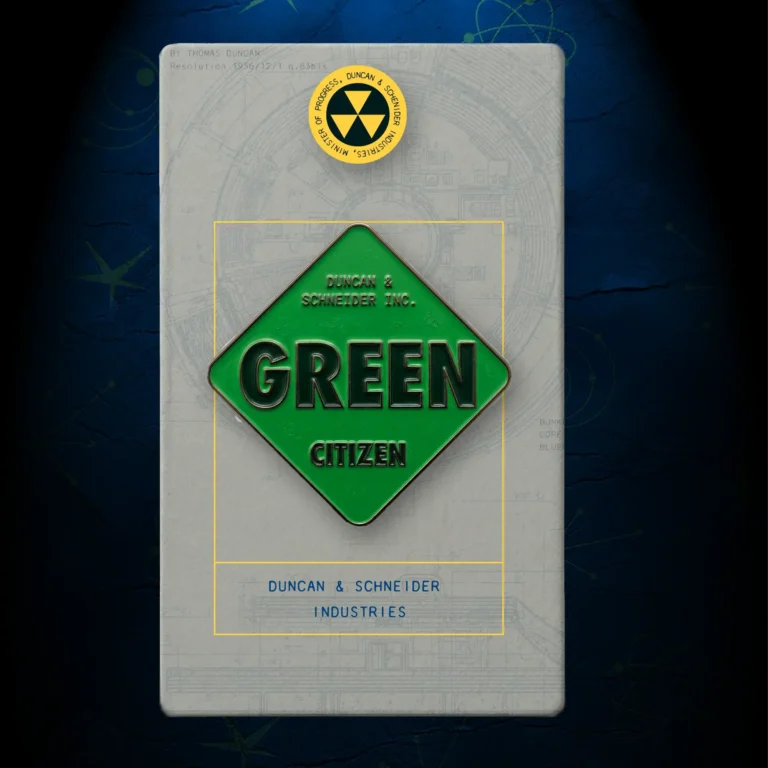
GREEN Citizens
Belonging to the GREEN tier means being under the system’s highest level of protection. GREEN Citizens are considered the foundation upon which the continuity of the Bunker rests. For this reason, they are granted exclusive privileges, including absolute priority in evacuation procedures, the right to Union Licenses, and exemption from the most lethal assignments within the Reboot Crew.
Their survival lies at the heart of the plan to preserve humankind.
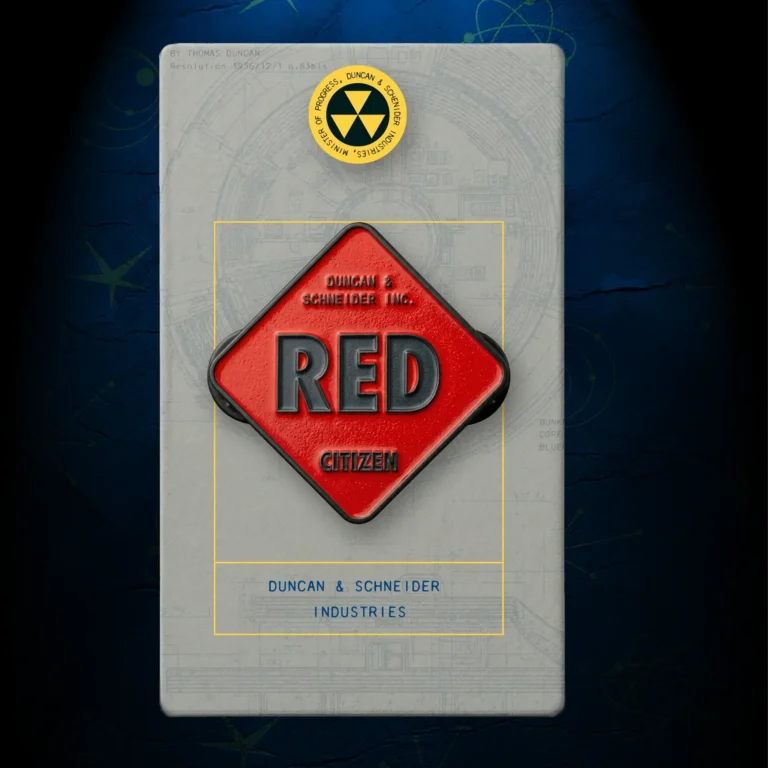
RED Citizens
By contrast, the RED classification identifies those called to a more demanding responsibility. RED Citizens are the first to respond in emergencies and are assigned to duties that involve risk or sacrifice.
This is not a punishment, but a call to service. It is the commitment of RED Citizens that acts as a shield against the most critical crises of the system, including the Reboot.
A dynamic and merit-based system
The Schneider Scale is both meritocratic and fluid. The Commission in charge periodically assesses personal aptitude, family history, and recorded infractions in order to update each Citizen’s status.
Exemplary behaviour may restore a RED Citizen to GREEN status, just as misconduct may result in the immediate demotion of a GREEN Citizen, stripping them of all licenses. Every action taken in daily life is an investment in one’s future.
The Schneider Commission has the authority to evaluate and re-evaluate Citizens at any time. Citizens, on the other hand, may request a review of their status only once per year.
Licenses
Bunker 101 is a complex organism that requires careful management of its resources. To be a Citizen means, first and foremost, to act in the interest of the collective, setting aside individual impulses.
For this reason, the Codex establishes the system of licenses. Licenses are privileges administered by the Licensing Commission. The right to obtain or retain a license is directly linked to a Citizen’s standing on the Schneider Scale.
Union License
This license represents the formal authorisation to establish a bond between two individuals. In Bunker 101, unions primarily serve to ensure stability and continuity.
To obtain one, the pair must undergo a bureaucratic process that includes various tests and evaluations. The requirements for both individuals are:
- They must be GREEN
- They must belong to the same Block
A Union License grants the right to form a stable partnership and to apply for a Genesis Capsule through the Nursery in order to bring forth a new Citizen.
The license is revoked if either member of the pair becomes RED. In such a case, the New Citizen is reassigned to a pair that meets the required criteria.
If the two Citizens belong to different Families, the New Citizen is considered part of both until the age of six. At that point, they undergo the Destination Test and are assigned permanently to one of the two Families.
If a Union License is granted to individuals from different Families, both remain members of their original Families and continue to attend their respective Family Meetings.
The gender of the individuals involved has no impact on the granting of a Union License.
Family License
All Citizens hold a license that defines their membership within a Family and legitimises that Family’s existence.
If, at the time of verification on the final day of the Reboot, a Family has three RED Citizens, it loses its status and is dissolved. Its members are then redistributed and integrated into other Families.
This license is not revoked when a Citizen becomes RED.
The Censorship Commission
Every Citizen of the Bunker knows that adhering to the rules of civil conduct is essential for peaceful coexistence and for our very survival. For this reason, any breach of the rules or behaviour that challenges the foundations of social order is to be considered an act against the community itself.
Within Bunker 101, there are no courts, nor judges or lawyers. The Censorship Commission is directly tasked by the Council of the Synergy with overseeing antisocial behaviour and the psychophysical wellbeing of Citizens.
Antisocial Citizens are reported and sent to the Library, where they undergo a series of rehabilitative sessions. In more serious cases, they may be referred to the Schneider Commission for a reassessment of their status.
In cases of crimes that endanger the lives of other Citizens, the Censorship Commission may request Exile for the offender from the Synergy.
The Cult of Duncan
Thomas Duncan did not foresee a religion for the Citizens of Bunker 101. However, those he selected already shared, in practice, a form of faith: faith in him.
After his death, many Citizens no longer saw him merely as a genius and benefactor, but elevated him to the rank of Prophet, giving rise to a true cult of his figure. This belief system is now known as Duncanism.
Today, around 25% of the population formally adheres to the cult, with a strong presence in Block EsaSix. It is a peaceful and introspective faith, grounded in the awareness of human imperfection. «Improve yourself to improve the world» — this motto of the Founder has become the cornerstone of a daily practice centred on redemption through constant effort.
The Duncanist ritual gesture, «cut and mend the cloth», embodies the very essence of human action: the capacity to destroy, and the far more demanding effort to repair.
Followers are not hostile towards non-believers. On the contrary, they act as a widespread network of solidarity and mutual support, offering help to anyone who falters under the weight of life in the Bunker.
The faith in practice
Duncanist belief is expressed through small but meaningful acts:
- The Greeting: Followers recognise one another by exchanging the phrases: «Open the cut» and «Mend the cut».
- Meditation: Several times a day, a Duncanist pauses whatever they are doing and turns North, towards the Reactor. They take out their sewn piece of cloth and meditate on the Two Teachings:
- «Cut the cloth»: Reflect honestly on the mistakes made today.
- «Mend the cut»: Decide how to make amends and improve yourself.
Without a clerical hierarchy, Duncanists consider themselves equal before the memory of Thomas.
The Founder’s Rite is an evening ceremony open to all, protected and guaranteed by the Codex. During the ritual, participants declare their Vows — small moral commitments for the following day — and enter into silence to listen for the Voice of the Founder: a metaphysical whisper that many believe emanates from the ventilation ducts, as if Duncan’s spirit still lingers within the foundations of their home.
Political Parties and Presidential Elections
The President of the Bunker is elected every four years, as are the Delegates. However, the elections are staggered, and in a few days’ time Citizens will be called upon to elect a new President.
The stability of the Bunker rests on three parties: Elephant, Donkey, and Mastiff. These factions alternate control of the Synergy, and having a President from one party or another provides a significant political advantage.
The outgoing President, Bernstein BissoTwo Omega of the Donkey Party, is nearing the end of their mandate in a climate of intense political activity. The new elections will take place on the second day of the event. Every Citizen will have both the right and the duty to cast their vote under the spotlight of the evening Talk Show, the media heart of the Bunker’s democracy.
The electoral debate will focus on five key issues.
- The Schneider Scale
- Birth Licenses
- Reboot Crew Formation
- Union Licenses
- Sentinel Reform
READ THE BILLS
The Codex
Is the body of laws governing life in the bunker. Written by Duncan with Schneider’s help, it has undergone some changes under previous administrations. Some articles can be amended by new laws or amendments, whilst others cannot.
READ THE CODEX
Genesis Capsules
Within Bunker 101, the future is entrusted to the Genesis Capsules. Following the atomic war and the resulting radiation, humanity lost the ability to conceive children through natural means. For this reason, the Genesis Capsules are used within the Bunker.
When one or more individuals obtain a Union License from the Licensing Commission, they may proceed to the Nursery, where they are guided through the activation process of a Genesis Capsule and the selection of the primary traits of the New Citizen.
Genesis Capsules function as inert incubation units into which genetic material from the parents is introduced. These Capsules are extremely valuable and difficult to produce, which is why their number is strictly limited.
Bounce
Bounce is the official sport of Bunker 101. There is no Citizen who does not support their Block’s team, whether during championship matches or training sessions.
Winning the championship is not merely a sporting achievement. It is a matter of pride, a symbol of commitment, perseverance, and cohesion, both for the team and the entire Block.
Each match features two teams, each composed of a pair of players, with a third player available for substitution. The objective is to strike a ball, similar to a volleyball, against a wall using any part of the body. The ball may not be held or stopped.
If, after striking the wall, the ball bounces at least once within the boundary line, the team that struck it scores a point. The first team to reach 11 points wins the set. A match is won by securing two sets.
Bunker Zones
Bunker 101 is divided into three areas, each with different levels of contamination and specific access permissions. These areas are clearly marked by signage.
Area 0K
This is the innermost and safest area of Bunker 101. Radiation levels remain within tolerable limits. Ventilation systems, filtration, and radiation shielding preserve habitable conditions for the Citizens. The area is constantly monitored to prevent and contain contamination. Most Citizens spend their entire lives within this area.
Survival time: Indefinite.
Area 1K (also known as “The Zone”)
This intermediate area includes the underground tunnels surrounding Area 0K. Once an integral part of the Bunker, it was sealed following the failed Reboot of 2033, having become uninhabitable due to radiation and antimatter leakage from the reactor.
This is the primary operational area for Vault Operators, as it houses key systems of the Bunker, including sections of the particle accelerator.
Survival time with proper protection: 60 minutes. Without protection: approximately 5 minutes.
Area 10K – The Outside
This area refers to the Earth’s surface beyond the Bunker. The outside world is covered by a lethal cloud of radioactive particles. Since 1959, no human has set foot outside, though sensors confirm that the surface remains uninhabitable.
Survival time with radiation suit: less than 1 minute. Without protection: less than 1 minute.
The Sentinels
The Sentinel corps is composed of individuals loyal to the Codex and represents the final safeguard of law and order within the Bunker.
In their default state, Sentinels are considered dormant and hold no active role within daily life. Only the Synergy, in the event of a concrete and urgent threat, may activate the Sentinels to intervene in situations of social danger. During such operations, Sentinels are authorised to use force.
In the history of the Bunker, the Sentinels have been activated on only two occasions: during the clearance of Sector 32 and in response to the threat posed by Pavese.
Once operations are concluded, the Sentinels return to their dormant state.
Blocks and Families
Within Bunker 101, Citizens are divided into six Blocks, each descending from a specific group of individuals chosen by Thomas Duncan at the time of the Bunker’s foundation.
Over generations, these Blocks have preserved their own identities and shared traits. Each Block contains two Families, Alpha and Omega, which uphold that identity while interpreting it through different sensibilities, priorities, and defining characteristics.
Unions are permitted only between Citizens of the same Block.
Full descriptions of the Families can be found in the character sheets.

UnaOne
Aristocratic and elitist, Block UnaOne is formed by the descendants of those who took Thomas Duncan’s desperate utopia and forged it into titanium and reinforced concrete. They descend from industrial aristocracy, high military command, politicians, and iron-willed bureaucrats who once sat on corporate boards or in the war cabinets of the Old World. Before the fallout, their family names were carved into marble plaques above the facades of banks or engraved upon the hulls of military vessels.
While the rest of humanity burned or clung to false hope, their ancestors signed the cheques that diverted uranium and plutonium supplies to construct the reactor that would become the heart of Bunker 101. They mobilised military divisions to conceal the construction sites and secured the governmental protection the project required. Thomas Duncan may have been the mind, but the UnaOne were the bones of the miracle that is now your home.
Drawn to command, the luxury of privilege, and the power to shape the lives of others, the UnaOne understand the game of power and the price it demands. Their involvement in the Bunker’s creation earned them a place within Duncan’s creature. To them, the Bunker is a precious and fragile being, one that must be governed and protected with a firm hand.
UnaOne Alpha – The Empireans
The UnaOne Alpha Family considers itself heir to an ancient bloodline of rulers, guardians of a higher order called to give shape, direction, and dignity to the world even after the fall of civilisation. They descend from figures of power—emperors, queens, and aristocracies who stood above history itself—yet always paid the price of profound solitude. For the UnaOne Alpha, to govern is to embody a principle: to remain steadfast, radiant, and irreproachable, because if the summit falters, all else collapses into chaos.
Their defining trait is splendour, understood not as mere luxury or vanity, but as an almost sacred duty to continue shining in a world of iron, darkness, and decay. They maintain a poised, elegant, almost sacred composure even through suffering, transforming pain into proof of nobility. Within the Family, their bond is built on etiquette, restraint, and a tragic affection rarely displayed openly, yet deeply rooted in the silent sharing of leadership’s burden, nostalgia, and the loneliness of power.
UnaOne Omega – The Custodians
The UnaOne Omega Family embodies the belief that humanity’s survival demands absolute discipline, clarity, and the willingness to bear decisions no one else would accept. They descend from bloodlines of commanders, heroes, and incorruptible figures who faced disaster without breaking, yet within the Bunker this inheritance has become something even harsher: not the sacrifice of self, but the willingness to sacrifice whatever is necessary for the species to endure. For the UnaOne Omega, the duty of leadership is to remain unshaken while everything else trembles.
Their defining trait is fortitude, understood as inner rigour, hardness, and the refusal of weakness. They are disciplined, severe, and rarely given to lightness. Within the Family, their bond is expressed through mutual control, practical support, and the silent sharing of necessary sacrifices. They do not cultivate tenderness, but rather a stern form of solidarity rooted in duty, endurance, and the knowledge that the collective good rests upon their shoulders.

BissoTwo
Enterprising, intelligent to the point of opportunism, Block BissoTwo is formed by the descendants of those who possessed enough foresight, intelligence, and wealth to purchase a place in the world of the future by financing Duncan’s grand design. Their ancestors were respected professionals, renowned lawyers, brilliant engineers, successful entrepreneurs, and, more broadly, the upper bourgeoisie.
Drawn to culture yet wary of radical movements and the unrest of communism beyond the Iron Curtain, their forebears built much of the wealth that fuelled the economic boom of the final decades before the Fallout in the Old World. They were the upper class who recognised opportunity when it appeared, transforming pragmatism into an art form, and when the moment was right, purchasing the limited places Duncan offered for entry into the Bunker. Their legacy was not built on bloodline, but on success, instinct, and that deeply human ability to always land on their feet.
Even after the Fallout, they preserved that restrained elegance, that taste for conversation and culture which continues to distinguish them from the masses. Their pride, then as now, lies in being the architects of their own fortune. They look with suspicion upon both aristocracies resting on inherited privilege and the clamouring masses who threaten the social order that forms the foundation of a healthy, meritocratic society shaped by the finest ideals of capitalism.
BissoTwo Alpha – The Patrons
The BissoTwo Alpha Family represents the brightest, most charismatic, and reassuring face of Bunker 101, convinced that humanity always deserves another chance and that the future must be built by nurturing desire, trust, and vital momentum. They descend from patrons, visionaries, and architects of possibility who, even in the darkest times, continued to invest resources, ideas, and hope in securing a path to survival for the species. The BissoTwo Alpha believe in the social structure of capital, in the self-made spirit of those with initiative, and in the conviction that every crisis is an opportunity for renewal.
Their defining trait is adaptability, understood as the capacity to shift form, alliances, and strategies without ever losing sight of their core. They are expansive, optimistic, seductive, always ready to offer attention, comfort, and brighter prospects, though beneath this warmth lies sharp capitalist instinct and opportunism.
Within the Family, the bond is not merely one of blood, but of shared awareness that they are an elite of active builders—people who forge connections, material and social alike, make pacts, and seek opportunity. Some among them see themselves as fellow contributors to the same “Great Work,” called to shape the destiny of the Bunker with patience and ambition.
BissoTwo Omega – The Bankers
The BissoTwo Omega Family embodies the clearest, most ruthless, and most disenchanted face of power, convinced that history is not shaped by ideals or nobility of spirit, but by resources, fierce choices, and the ability to remain in control when others falter. They descend from figures accustomed to wielding capital—bankers, brokers, aggressive capitalists—who viewed the world as a landscape of opportunity and collateral damage. For the BissoTwo Omega, the true error is not hardness, but passivity; not risk, but the inability to play the game to its very end.
Their defining trait is ruthlessness, understood as the ability to act beyond ordinary moral limits in the name of profit, survival, and the greater good of the Bunker. They are intelligent predators: brilliant, ironic, often arrogant, capable of being both merciless and irresistibly captivating.
Within the Family, their bond takes the shape of a conspiratorial camaraderie built on shared vices, mutual support, and strict control over one another’s weaknesses. They protect one another, test one another, and constantly remind each other that in a world like this, one can only learn to devour or be devoured.

TerraThree
Curious and intelligent to the point of obsession, Block TerraThree is formed by the descendants of those who contributed to the design of the most technologically advanced parts of Bunker 101. Drawn to knowledge, yet wary of humanity’s less controlled expressions, their ancestors helped build much of the prosperity of the economic boom in the years before the Fallout in the Old World. Behind everyday inventions and major scientific advances in medicine, warfare, and civilian life stood the forebears of TerraThree.
They were scientists capable of understanding the essence of things, the workings of matter, of combining elements and finding solutions to the problems of individuals and society: from refrigerators and antibiotics to particle accelerators and vaccines.
They were the scientists who made the Bunker’s reactor, the filters that keep us alive, and the supercomputer Marilyn possible. For this, they earned their place in Duncan’s utopia. Their legacy is rooted in knowledge, but above all in attitude and outlook: a curious, investigative gaze that does not stop before what appears impossible.
Even after the Fallout, they retained their curiosity about the world, their taste for speculation, and above all their desire to understand how things work. They dislike chaos and overly free expression, and at times even human emotions themselves can seem confusing to them.
TerraThree Alpha – The Clockmakers
The TerraThree Alpha Family considers itself heir to the scientific and technical minds that, faced with the collapse of the world, managed to build the imperfect Ark of the Bunker. They descend from engineers, theorists, and inventors who shaped the tools of salvation, yet who also carry the weight of a profound guilt: the knowledge that the same intelligence which made humanity’s survival possible also contributed to its ruin.
For the TerraThree Alpha, to truly love humankind means observing it from a distance, with rigour and discipline, without being swept away by the emotions that have so often turned genius into destruction.
Their defining trait is the obsession to understand: the relentless need to dismantle reality piece by piece in order to study its deepest mechanisms. They are precise, analytical, attentive to detail to the point of intrusion, always treating people, events, and conflicts as systems to be deciphered.
Within the Family, the bond is founded on constant mutual vigilance: each member knows that a brilliant mind, if guided by the wrong impulse, can become dangerous. For this reason, the TerraThree Alpha watch over one another with affectionate severity, reminding each other that their true task is not only to understand the world, but never again to become Destroyers of Worlds.
TerraThree Omega – The Faustians
The TerraThree Omega Family embodies the boldest, most feverish, and most Promethean form of knowledge, convinced that humanity’s destiny depends on the ability to surpass every limit, even when doing so involves risk or sacrifice. They descend from scientists and visionaries who wrested light, energy, and possibility from matter itself, and who, in the darkest hour, did not bow their heads, but continued to reach towards the future.
For the TerraThree Omega, knowledge is neither contemplation nor caution: it is momentum, conquest, and the will to go where others stop.
Their defining trait is craving, understood as a constant striving towards what is not yet known, not yet reached, not yet enough. They are restless, arrogant, curious to the point of recklessness, incapable of accepting «it cannot be done» as an answer.
Within the Family, the bond is expressed through fierce and unrelenting competition, where each member measures themself against the others and urges them to surpass new limits. They do not offer comfort, but challenges.

CuadroFour
Artists, humanists, and dreamers to the point of detachment and innocence, Block CuadroFour was formed by Duncan from people who could neither shoot, nor build, nor buy their way in. And yet, they were essential. Their ancestors were philosophers, conductors, museum curators, ethicists, actors, poets, and people from every field of the arts.
Drawn to beauty in every form, yet unprepared for more practical and prosaic tasks, their forebears composed works of art, created immortal masterpieces of cinema, filled theatres and concert halls, and inspired people across every corner of the Old World.
Duncan wanted to bring beauty and memory into Bunker 101 because the dangers awaiting the new society would not only be hunger and radiation, but more insidiously, oblivion and the loss of humanity. The CuadroFour keep alive the most human part of humankind: the ability to dream, to name emotions, and to recognise the meaning of life.
There is a poignant beauty in the way they live, not despite scarce rations and recycled air, but beyond them, preserving a light, stubborn dignity that refuses to be crushed beneath the weight of necessity. They defend the ephemeral: a symphony, a moral doubt, a gentle gesture, an artistic thought, or a philosophical principle. In the barren winter of nuclear devastation, they know themselves to be the guardians of everything that still makes us human, despite the Apocalypse’s constant efforts to erase what humanity once managed to create.
CuadroFour Alpha – The Masters
The CuadroFour Alpha Family preserves the idea that knowledge is not merely an accumulation of facts, but a way of inhabiting the world and questioning human existence. They descend from intellectuals who witnessed the collapse of civilisation and chose to resist it through thought, dialogue, and memory, preserving fragments of the past not out of nostalgia, but as tools for understanding the present.
For the CuadroFour Alpha, humanity remains the greatest subject of study. This is why they live among people, ask questions, observe, and collect stories, objects, and contradictions from life in the Bunker.
Their defining trait is curiosity, understood as an inexhaustible pull towards human nature. They love debate, distrust simple answers, and believe that truth can only emerge through dialogue and doubt. They see critical thought as a profoundly human form of experience.
Within the Family, the bond takes the form of continuous exchange, made of questions, intuitions, and a shared search for meaning.
CuadroFour Omega – The Ecstatics
The CuadroFour Omega Family embodies the most visceral, ecstatic, and uncontainable side of human experience, convinced that to live means to feel everything fully, without protection, restraint, or compromise. They descend from artists who transformed their wounds into beauty, despair into momentum, and excess into a form of truth.
For the CuadroFour Omega, life must not be contained or tamed. It must be crossed with ferocity, even at the cost of pain, error, and ruin.
Their defining trait is intensity, understood as an inability to experience lukewarm emotions or moderate relationships. They are empathetic, overwhelming, incandescent, capable of moving from ecstasy to despair in an instant and carrying everyone around them along with them.
Within the Family, the bond takes the form of constant resonance, made of absolute passions, violent clashes, and equally profound reconciliations. More than balance, they seek fullness. More than peace, they desire feeling. In a Bunker that risks extinguishing every impulse, they choose to shine, even knowing that this may mean burning.

PentaFive
Plain-spoken, pragmatic, and proud to the point of stubbornness, Block PentaFive is formed by the descendants of those who physically dug the tunnels of Bunker 101. The PentaFive descend from the working class, from those who excavated, welded, and assembled every inch of the shell that separates them from the radioactive winter. Their place in the Bunker is the wage of their ancestors, the reward Duncan promised in exchange for their labour.
Their forebears were labourers and workers who built many of the great structures that contributed to the post-war economic boom: bridges, schools, hospitals, homes. Wherever their hands and strength were put to work, they brought civilisation and concrete improvement to people of every social background.
Their identity is built on work and competence. They speak directly, value facts, and distrust abstract or overly philosophical discourse. To them, what matters is reliability, endurance, and the ability to work as a team.
They are proud because every wall, every beam, every block of concrete bears the mark of PentaFive labour.
PentaFive Alpha – The Unionists
The PentaFive Alpha Family considers itself the conscience of the Bunker, convinced that human dignity is not a concession granted by power, but a right to be defended every day against abuse, privilege, and inequality. They descend from activists, unionists, and defenders of the oppressed who, across different eras, challenged tyrants, tore down walls, and fought for freedom, justice, and more dignified living conditions.
For the PentaFive Alpha, to live means to take a side: to stand with those who suffer, give voice to those who are ignored, and remember that no community can call itself human if it accepts injustice as normal.
Their defining trait is conscience, understood as a living sensitivity to the pain of others and a constant impulse towards action. They are blunt, direct, generous, little inclined towards formality, and always ready to offer practical help, protection, or firm words in defence of those more vulnerable.
Within the Family, the bond is made of militancy, solidarity, and mutual responsibility. They see themselves as comrades in struggle before they see themselves simply as relatives. Precisely for this reason, they can be severe with themselves and with anyone who betrays collective values, because they know that those who fight oppression must remain constantly vigilant not to become oppressors in turn.
PentaFive Omega – The Wolves
The PentaFive Omega Family embodies the most primal and visceral idea of community, convinced that humanity survives only when it stops seeing itself as a sum of individuals and returns to being a pack, a shared body, a compact force that protects its members. They descend from a lineage that has always recognised loyalty, sharing, and mutual defence as the only possible answer to fear, hunger, and the violence of the world.
For the PentaFive Omega, to live means to belong: no one survives alone, no one is left behind, and no wrong done to one remains theirs alone.
Their defining trait is instinct, understood as immediate sensitivity to danger, need, and the most authentic forms of human connection. They are impulsive, hot-blooded, plain-spoken, feral in protecting those they love, and generous towards anyone they recognise as part of a shared humanity.
Within the Family, the bond is symbiotic, physical, and absolute: affection is not declared, but shown through presence, sharing, and readiness for sacrifice. More than a simple family, they see themselves as a pack bound by warmth, memory, and the certainty that, without the group, the human being immediately becomes prey.

EsaSix
Resilient, industrious, and fatalistic, Block EsaSix is formed by the descendants of ordinary people from across the Old World, selected by lottery at Thomas Duncan’s own request, so that those who formed the true fabric of society might also have a place in the Ark.
Their ancestors were schoolteachers, tailors, clerks, cleaners, postmen. The people who kept the world moving day after day: the people.
Hard-working and willing, their forebears patiently wove the texture of everyday life in the Old World. They bore its heaviest burdens: commuters, fathers and mothers raising children through immense sacrifice, unemployed people fighting for dignified work. Gifted with patience and tenacity, they are the children of a stroke of luck, or perhaps of a mysterious providence. The Block that represents humanity at its most mixed and pure.
Some of you see your presence in the Bunker as nothing more than chance. Others see it as an extension of Duncan’s will. Yet despite this difference, you all share an understated spirituality, made of small gestures and a quiet trust that everything has meaning, even when that meaning is unclear.
The EsaSix are the most human part of Bunker 101, because they remind everyone that being here is neither merit nor privilege. It is a gift.
EsaSix Alpha – The Oracles
The EsaSix Alpha Family embodies ordinary, marginal, unpredictable humanity: the kind history tends to forget, yet which stubbornly continues to survive between miracle and ruin. They descend not from kings, heroes, or great saviours, but from common people, fragile, imperfect, and often excluded from every grand narrative.
For this reason, they see themselves as the true children of chance: those who exist not through merit, but through fate. For the EsaSix Alpha, life cannot be controlled or conquered. It happens. It strikes. It diverts. It simply asks to be crossed with honesty.
Their defining trait is fatalism, understood as a deep attunement to uncertainty and to the possibility that everything may change in an instant, without obeying logic or hierarchy. They are changeable, free, unpredictable, and difficult to contain within rigid roles or consistent reactions, because they feel chaos as a natural force to be welcomed rather than fought.
Within the Family, the bond is not founded on merit, discipline, or ideals, but on an absolute and resilient affection, capable of holding conflict, irritation, and difference without breaking. What unites them is the awareness that they are fortune’s spared ones and, precisely for that reason, profoundly alive.
EsaSix Omega – The Scavengers
The EsaSix Omega Family preserves what the Bunker tends to discard, forget, or hide, convinced that the deepest truth of humanity is revealed precisely in remnants, abandoned details, and unspoken fragilities. They descend from the excluded, the survivors, and those left at the margins of history, and for this reason they have learned to look with respect at what others despise or refuse to see.
For the EsaSix Omega, protecting the Bunker means caring for what remains: objects, memories, fears, and wounded people left behind.
Their defining trait is storytelling, understood as the ability to gather the scraps of life and transform them into meaning, memory, and consolation. They are discreet, resilient, profoundly compassionate, and they observe other Citizens with a tenderness free from envy or resentment.
Within the Family, the bond is founded on welcome, patience, and an almost universal kinship, which leads them to see themselves as silent guardians of the whole community. They tell stories to give shape to fear, make pain bearable, and remind everyone that nothing is truly lost as long as someone continues to preserve its memory.
Lifeline Duty
Lifeline Duties are the tasks upon which the survival of the Bunker depends. Without their constant execution, Duncan’s utopia would collapse under the weight of technical failures, radiation, or systemic breakdown.
All Citizens are assigned to a Lifeline Duty based on their Block:
- UnaOne and BissoTwo — Mainframe Op
- TerraThree and CuadroFour — Core Op
- PentaFive and EsaSix — Vault Op
Lifeline Duties become critically important during the Days of Renewal, as their efficiency directly determines how many Citizens must be sacrificed in the Reboot Crew. The better the performance, the lower the human cost required to restart the system and secure a new Cycle for the Bunker.
Vault Op
Vault Op is one of the most demanding and dangerous Lifeline Duties. Their role is to safeguard the structural integrity of the Bunker and maintain its life-support systems.
In the days leading up to the Reboot, their work becomes even more complex and hazardous. They are required to regulate the magnets that ensure the proper functioning of the particle accelerator located in the deepest tunnels of the Bunker, a crucial element for the Reboot procedure.
Following the failed Reboot of 2033, much of this infrastructure now lies within a highly contaminated area, affected by radiation and antimatter released from the reactor. In this zone, the normal laws of physics are subject to sudden and unpredictable distortions.
This area is known as Zone 1K, or simply «the Zone» in Vault Op jargon.
As Vault Op wear protective suits during their missions in the K1 zone, it is advisable to wear an outfit that includes trousers. Skirts may be uncomfortable. A changing room is available if one desires to wear skirts or dresses the rest of the day, and trousers only during the Lifeline duty.
The Betrayal of the Vault Op (2055)
Three years ago, during preparations for a routine shift, the Vault Op received the final operational report, as protocol required. The predictive document was unequivocal: the mission would be successfully completed, but a radioactive collapse in the final minutes would irreversibly contaminate fifteen operators.
To preserve the temporal balance and the stability of the Bunker itself, that incident had to occur. The future demanded it, and the Vault Op knew all too well the distorted laws of the Zone to dismiss such a warning.
Yet murmurs of dissent began to spread. Some refused to sacrifice human lives on the altar of a statistical prediction, while others, with cold resignation, insisted that the survival of the Bunker must come before any individual instinct.
In the end, duty prevailed. The operators marched into the darkness of Zone 1K, fully aware that many of them would not return.
When the emergency unfolded, as precise and lethal as the report had foretold, someone chose to defy it. Ekberg EsaSix Alpha and Pollock PentaFive Omega, driven by an unyielding instinct of rebellion, altered the operational sequence, pulling their comrades back from contamination. Lives were saved, but the mission was compromised.
The consequences for the Bunker were severe. A wave of secondary radiation poisoned the conduits, destroying hydroponic reserves. Weeks of enforced rationing followed, leading to several deaths from malnutrition.
Ekberg and Pollock took full responsibility, shielding the rest of the team. Yet the exposure they endured during the rescue left them no chance of survival. They died after days of agony, surrounded by the silent respect of those whose lives they had saved.
Moved by their selflessness and solidarity, the Synergy granted amnesty and established a day in honour of Op Solidarity. Since that day, among the Vault Op there has been a deep sense of belonging, pride, and solidarity.
Core Op
The role of the Core Operators represents one of the most critical and evocative Lifeline Duties in the whole of Bunker 101, a task entrusted to members of the TerraThree and CuadroFour Blocs. These operators are responsible for monitoring and operating the Antimatter Core, an experimental device designed by Schneider that powers Bunker 101 through plutonium fission.
In the days leading up to the Reboot, the Core Operators are tasked with clearing the core of the ghosts of previous Reboot Crews. Within the Reactor Core, the laws of physics bend, generating an event horizon that alters the fabric of space-time and projects fragments of memories belonging to past Reboot Crews, trapped in a timeless cusp.
These entities must be released to make room for the new members of the Reboot Crew, soon to be formed. By freeing these energies from the core, the Core Operators stabilise the emissions of the Antimatter Core and align its parameters so that it can deliver the exact modulation of energy required for the delicate operations of the Reboot.
The Antimatter Leak (2051)
During a routine monitoring shift, the stability of the Antimatter Core suddenly collapsed. For reasons never fully understood, the reactor’s containment failed, releasing a burst of high-energy radiation that struck the Core Op work area within seconds.
Only the operators’ extraordinary responsiveness prevented total disaster. The breach was contained in moments, stopping the contamination from spreading to the rest of the Bunker. However, for those inside the chamber, the cost was severe.
The first symptoms such as dizziness, nausea, and a profound sense of disorientation were followed by a deeply unsettling psychological and physical decline. In the days that followed, reality itself began to unravel for the survivors.
Many reported recurring dreams of terrifying clarity, leaving behind emotional scars and chronic exhaustion. Others began to describe, with unsettling precision, memories of lives they had never lived — fragments of past or parallel existences lodged in their minds like shards of glass.
Paranoia soon became a constant companion: an obsessive fear of being followed by unseen presences, or of hearing whispers in the silence of the Bunker. In the most severe cases, mental fractures escalated into psychotic episodes requiring isolation and intensive psychiatric care.
Within a matter of days, the symptoms began to fade, and shortly thereafter all operators returned to duty, apparently fully recovered.
The official investigation never determined whether the microfracture had been caused by structural failure or human error, leaving a lingering doubt that continues to haunt the department’s reputation.
To this day, the incident lives on in Bunker slang through a cynical saying: «You’re as odd as a Core.»
Mainframe Op
The Mainframe Lifeline Duty is a crucial and delicate task managed by the UnaOne and BissoTwo Blocs. Their primary responsibility is to monitor and interpret the supercomputer’s projections, identify potential anomalies, and isolate them in order to mitigate their impact.
Their duty consists of programming the supercomputer Marilyn to assess all those factors that could compromise life in the Bunker, understanding their nature so that the machine can generate a Patch, which is then implemented within society. Marilyn is, in effect, a kind of crystal ball: a tool that allows possible crisis scenarios to be seen and intercepted before they occur. It is an immensely powerful instrument, and a decisive one for the survival of Bunker 101.
Although Marilyn excels at detecting statistics and impending crises, it lacks the sensitivity required to interpret human behaviour. For this reason, it falls to the Operators to make sense of the data, understanding the latent threats within the Bunker that could compromise the Reboot.
Marilyn's Prophecy (2054)
A few years ago, the hum of the servers in the Mainframe Op room tasted like victory. A major update to Marilyn had just been completed with unexpected success: for the first time in years, the electronic brain of the Bunker had passed a full revision of its long-term projections without returning a single anomaly.
That evening, the Mainframe Ops decided to celebrate. Between toasts and the euphoria of feeling invincible, someone suggested an idea: launching a full predictive simulation. They asked Marilyn to freely process a raw, long-term global scenario.
The model did not return the usual reassuring survival curve. Across multiple calculated trajectories, within two planning cycles, Bunker 101 would enter a phase of irreversible structural instability. A slow and merciless mathematical agony: an erosion of the decision-making and demographic systems that would make collapse inevitable.
When the Synergy was informed, the news leaked and spread like a virus through the ventilation ducts. Within hours, the Bunker was plunged into total panic.
From that moment on, the Mainframe Ops began exhausting shifts, searching for a possible error in the calculations, a rogue variable, anything that might explain the curve. Fatigue and terror carved deep wounds into the minds and bodies of the operators. Many fell ill from nervous exhaustion. One Op died of a heart attack at their desk, still clutching a programming card in their hand.
Then some Mainframe Op found the variable. A nest of rats that would damage a few cables, setting off a chain of consequences that, over the years, would lead to the Bunker’s decline. Just one small rodent.
The report was sent to the Synergy, which proceeded to clear the area of vermin. And yet Marilyn’s prediction did not fully return within acceptable parameters.
The Mainframe Op decided to force the system, applying a parametric patch capable of correcting the variable. There was only one problem: the patch was opaque. No one could fully understand what the real implications of that fix would be.
A dispute followed, between those who refused to work on a shadow patch and those who, exhausted, could no longer bear the weight of collective terror. In the end, fatigue and desperation won. The patch was applied. The crisis scenario vanished. The parameters returned to perfection, and the population breathed a sigh of relief.
But from that day on, some Mainframe Ops have claimed that Marilyn is no longer the same, as if something imperceptible were at work inside the Mainframe.
Civic Duty
Civic Duties are all the roles one would typically find in a small 1950s town, essential to the social and communal life of the Bunker.
Within Civic Duties you will encounter shops, administrative offices, parliament, and much more. These roles preserve both the well-being of the community and that distinctive sense of belonging typical of a small town, only this time, underground.
The Sinergy
The government of Bunker 101 is the Council of Synergy, the supreme body responsible for the most crucial executive and legislative decisions. From enacting laws to allocating resources, Synergy translates political visions into operational reality, ensuring that every part of society functions as intended.
It is here that parties clash and form alliances to shape the rules of everyday life, navigating between lofty ideals and pragmatic compromise. The Council consists of the President, the Former President, the Chairman, and thirty delegates representing the various political factions.
Gameplay
The work of Synergy unfolds in two phases.
The first is dedicated to Party Meetings, where each faction reviews the legislative proposals of the day, drafting amendments, revisions, or cuts to present in the chamber. This is where diplomacy comes into play: alliances are formed, negotiations unfold, and strategies are defined.
The second phase takes place in the Plenary Session, where debate becomes public and is moderated by the Chairman. Amendments are formally presented, statements are made, and the assembly moves towards the final vote. Voting is free, and every preference must be earned through dialogue. Informal discussions in the corridors, often referred to as the “Transatlantic”, become the stage for last-minute negotiations that may determine the future stability of the Bunker.
Each delegate holds one vote. The President holds ten votes, and the Former President holds three.
Responsibilities of the Council of Synergy:
- Enact new laws or amend existing ones within the limits of the Codex
- Implement the government programme
- Set priorities and allocate resources
- Propose new licenses
- Define criteria for granting licenses
- Define criteria for the Schneider Scale
- Determine selection criteria for the Reboot Team
- Oversee the overall functioning of the Bunker and its Duties
- Activate the Sentinels when required
The Schneider Commission
The Schneider Commission is one of the most delicate institutions within Bunker 101. It is here that every Citizen receives their evaluation on the Schneider Scale, a system designed to ensure survival and fair resource distribution.
Being classified as GREEN or RED defines each Citizen’s rights and duties. The Commission assigns value according to systemic survival logic, weighing every action against the stability of the Bunker.
Gameplay
The Commission operates on three core axes of evaluation, combining objective data with psychological interpretation.
The first concerns behaviour and deviance. Commissioners analyse a Citizen’s actions through observations, reports, and documented incidents. Alongside this, the S-Test is administered to those undergoing evaluation or reassessment. This tool allows commissioners to interpret deeper attitudes, leaving room for discretion.
The final and most sensitive parameter is family history. The Commission maintains records of familial deviance. These dossiers are not static. New rumours from the Diner or secrets emerging from the Barber may trigger reassessment at any time.
No change occurs in secrecy. Each Citizen is formally summoned, informed of the procedure, and evaluated directly by the Commission.
The Licensing Commission
Forms in triplicate, stamps, archives and officials with pens always in hand: the Licensing Commission is the body that oversees the union and reproduction of Citizens, transforming emotional bonds into administrative acts necessary for the survival of the species. In the Bunker, the union between two Citizens is often not a matter of feelings but an act of responsibility towards the species and the prerequisite for obtaining the right to parenthood.
Love exists, of course. Some marry because they truly care, whilst other loves are impossible due to Block restrictions or the convenience of others. But the Commission has no box for feelings on the form: it has a box for the Schneider Scale, it has tests to measure a couple’s stability… and an eye on the number of licences available.
Gameplay
The commissioners are patient, meticulous and courteous bureaucrats who manage waiting lists, assess applications and politely remind applicants that the number of licences available is limited. They have targets to meet to ensure the healthy continuation of the Bunker’s population, and these figures determine their work efficiency.
Couples sit before the officials knowing that their future depends on a series of factors that will be carefully assessed. The commissioners scrutinise the couple’s personal and family history, question the Sponsoring Citizen and assess the Gift, simulate conflict situations and their expectations for the future, and finally decide whether to grant the Union licence. They are well aware that every licence granted or denied is a fundamental decision and act accordingly.
The Censorship Commission
The Censorship Commission is one of the most respected (and feared) bodies in the whole of Bunker 101. Their jackets are neat and their notepads are always open. They are kind and polite, and their gaze is attentive and sharp. The Commission moves through the corridors with quiet authority.
However, it is not uncommon for some Citizens to lower their voices as they pass, smooth down their clothes and straighten their backs. They watch over the integrity of the Bunker and the crimes of the Citizens, a delicate but necessary task.
Gameplay
In the first part of their shift, they decide collectively which emotions or concepts require attention during that shift. This task involves discussion, debate and, at times, compromise on exactly what is ‘not acceptable’ today.
In the second part, they go out, inspect, mark and report: anything that does not comply with the new regulations receives a ‘black ribbon’, and anyone caught violating the day’s censored emotions or the Bunker’s rules is given a pin to wear on their chest indicating the obligation to undergo a re-education cycle at the Library. They may ask for information or conduct interrogations in a polite but firm manner. In the most serious cases, they report the behaviour to the Synergy, which may proceed with a trial resulting in Exile.
Library
Everyone makes mistakes, which is why every Citizen has the right to re-education. It is not a punishment but an opportunity to revisit the cornerstones of Bunker society, reassess priorities and improve. Amidst the shelves containing the knowledge of the past, the Re-educators guide Citizens on a journey of rediscovery of the community’s founding values and help them become the best versions of themselves.
Gameplay
Library Operators welcome Citizens who have been assigned to a re-education programme by the Censorship Commission or who come of their own accord, and show them the prescribed re-educational audio-visual material. They physically accompany them within the Bunker, subjecting them to guided stimuli and carefully observing their reactions, posture, hesitations and responses. Their task is to measure the degree of adherence to the community’s values.
Barber & Beauty Salon
Scissors, hot air, hair pomade, chrome chairs and relaxed smiles. Between a stroke of the razor and a cloud of hairspray, words and gossip flow freely: secrets are whispered in, wrapped in the reassuring hum of hairdryers, and emerge perfectly coiffed, ready for the party and to make the rounds of the corridors.
Amidst chrome chairs, the scent of hair pomade and the reassuring hum of perm hoods, the salon acts as a social clearing house: here, confidences enter and exit ‘neatly combed’, transforming into official versions of events ready to make the rounds of the corridors. This salon offers the Citizen a well-deserved moment of relaxation where they can share gossip and rumours.
Gameplay
Barbers and beauty professionals act as trusted confidants and discreet facilitators; they listen, comment and pass on the latest gossip. They welcome every customer like an old friend; they do not actually alter their customers’ appearance, but simply listen, chat and comment on the day’s news – their true tool of the trade is listening. With the utmost naturalness, they gather the confessions shared by those sitting in the chair, whilst ensuring that the tone remains subdued and cordial.
Those sitting in the chair are expected to share a piece of gossip or information they wish to circulate within the Bunker; in return, they receive from the barber another fragment of truth gathered from a previous customer.
Speakeasy
Dim lights, stale smoke and half-light: the Speakeasy smells of watered-down whisky, whispered promises and poker cards. Citizens who aren’t exactly beyond reproach, some wearing the RED badge, play dice and place bets. Handshakes, favours and a few deals in the shadows. It’s a tolerated place because everyone needs an outlet; who doesn’t have a secret or a dark side? And besides, if the less respectable citizens are all here, it’s easier to find them.
Gameplay
The person behind the bar serves drinks, listens to whispered requests and acts as a discreet go-between for those seeking and those offering.
Every glass brought to the table hides a task written on the napkin: a favour to be done, a rumour to spread, a meeting to arrange, a choice that carries weight even beyond these four walls. Frequenting the Speakeasy means slipping into the fringes of the Bunker.
Diner
Checked tablecloths, glossy Formica, the smell of popcorn and a jukebox playing just the right tunes: the Diner is the perfect place for a date with someone you’re interested in, or for a break with family or friends. Everything here smells of normality: hot coffee, freshly made popcorn, friendly conversation. Everyone at the Bunker ends up at the Diner sooner or later.
Whether you want to meet someone or arrange a date, whether you’re feeling lonely or just want to listen to some music, this is the place for you!
Gameplay
The staff at the Diner are both waiters and confidants: they serve at the tables, take orders with impeccable courtesy, and move amongst the conversations, inviting guests to choose between the two daily specials on offer – or rather, the ‘hot’ topics currently being discussed in the Bunker. The waiters pass by the tables, listening in on or joining in the discussions, encouraging dialogue and debate. This is why the waiters are the people who have their finger on the pulse of the Bunker’s mood, knowing exactly what the Citizens think about a given topic.
Drugstore
The Drugstore offers professional advice and targeted pharmacological treatments designed to restore every resident to their ‘best self’. Whether it is a dip in productivity, a trauma, or an emotion so intense that it risks undermining social order, the staff are ready to provide support: in the Bunker, wellbeing is not an optional right, but a fundamental requirement for collective survival.
Furthermore, the Drugstore staff are doctors and nurses who can intervene in the event of accidents, injuries or any other health issue affecting the Citizens.
Gameplay
The role of pharmacists is to welcome members of the public, seek to understand the root of their problem, offer them the appropriate guided hypnosis session and, based on the outcome of that session, make an official diagnosis and select the right pill to treat the problem, taking care to inform the patient of any possible side effects.
In addition to managing mood, the Drugstore also serves as a first-aid station, becoming the immediate point of contact for anyone suffering from physical injuries or illness.
Nursery
The Nursery is where Bunker 101 takes charge of its future, and every new birth is planned with care, love and responsibility. For couples who have obtained the correct Union Licence and wish to have a New Citizen, the Nursery represents the transition from desire to reality – a journey guided by staff who accompany the future parents from genetic selection right through to their first, exciting encounter with the Genesis Capsule.
Gameplay
Nursery Operators welcome those holding a Union Licence and guide them through the entire allocation process, from the Parental Assessment to the selection of compatible profiles. They guide prospective parents in choosing their ideal child, support them when their Genesis Capsule is presented to them, and finally formalise the allocation, balancing desires, suitability and compatibility.
Bounce (training)
Bounce is much more than just the official sport of Bunker 101: it is the community’s grand, epic theatre. There isn’t a single Citizen who doesn’t support their Block’s team, and every match is an eagerly awaited event, commented on and discussed in the corridors or at the tables of the Diner. Every match is not just a matter of reflexes and precision, but a narrative crafted to offer the public heroes to believe in and rivalries to identify with. In Bounce, players take to the court not just for athletic victory, but to write a legend; every challenge thus becomes the stage where the honour of the Blocks, rebellious talent and disciplined tradition clash.
Every challenge is a rivalry. Every rivalry is a story. Even before the ball touches the wall, the teams have already decided what they stand for: revenge for a past wrong, the honour of a wounded Block, the clash between talent and discipline, between promise and tradition. The court is the stage, the players the protagonists. In Bounce, you don’t just play to win. You play to write a legend.
Gameplay
The players’ training sessions are divided between physical conditioning and the strategic planning of the match. In the physical aspect, the teams hone their coordination and strategy in accordance with the official rules: the aim is to hit the ball and send it into the opponents’ half by bouncing it off the wall. Each match is played as best of three sets, with sets going to 11 points.
During training, players also interact with the Radio Sports Editorial Team, with whom they fine-tune the commentary and receive useful guidance to enhance the match narrative. Each team builds its own narrative identity, defining epic-dramatic ‘characters’ consistent with the image it wishes to project, and engages with the opposing team to agree on spectacular and credible rivalries. A coach will also be present to guide them through this phase, tasked with reminding them of the rules and ensuring the game is played correctly.
Radio Tunnel
Radio Tunnel is the community’s official voice: enthusiastic, punctual, reliable. When something happens in the Bunker, the radio does not merely report the facts, but organises and sheds light on them, acting as the vocal cords of the entire system. Furthermore, Radio Tunnel sets the pace, marking the rhythm of the day, work shifts and mealtimes. The editorial team also oversees the schedule for the Talk Show, which manages political and social debate within the Bunker.
The radio editorial teams use language that is accurate, precise and shared by the whole community. In the Bunker, we choose carefully how to tell stories, because we know full well that every word carries weight.
Gameplay
The radio operators work in four separate editorial teams – Gossip, Politics, Sport and Propaganda – which rotate across the various shifts, with two sections active per shift. Their task is to gather news within the Bunker by collecting rumours or investigating facts and turning them into official news. They also work on writing the evening talk show, which they host as the recognised voice of the Bunker’s historical chronicle.
Furthermore, thanks to the public address system that reaches every corner of the Bunker, they produce short announcements and communications aimed at the Citizens, promote the Bunker’s activities and set the pace of daily life, and curate the musical backdrop to the day by selecting from various vinyl records to serve as the soundtrack to community life.
Leisure Duty
Leisure Duties take place after dinner. From cinema screenings to the Founder’s Ritual, to entertainment and information programmes, these are moments of rest, participation, and shared experience through which the community unwinds and enjoys its free time.
Bounce Tournament
Each evening, Citizens gather to watch matches between the Blocks’ teams, immersing themselves in a unique spectacle where athletic competition is only part of the experience.
Guided by the voice of the commentator, the audience follows a sport that is also a form of storytelling, shaped by long-standing rivalries, personal redemption, and factional pride. Every strike of the ball becomes a piece of a larger narrative.
Each Citizen is called to support their Block and organise passionate cheering sections, competing for the Audience Point, an award given to the most engaged and disciplined supporters, capable of influencing the outcome of a match.
Winning the prestigious Bounce Cup does more than secure sporting glory. It grants the team and its supporters the honour of officially opening the Enchantment Under the Sea Dance.
Cinema
Among the many activities within Bunker 101, few are as anticipated as cinema night.
As the lights dim and the projector begins to hum, Citizens gather to watch one of the great films of the past, a rare glimpse into life in the Old World, and a chance to dream together.
In the darkness, it is not uncommon for a Citizen to lean closer to the person beside them and share a quiet whisper. Perhaps a comment on the film, perhaps something more personal. In that suspended moment, the dim light protects words that might otherwise remain unspoken.
Talk Show
As the day draws to a close and work shifts come to an end, the Talk Show begins.
Before a live audience, among applause, music, and bright lights, Citizens witness the most significant stories of the Bunker. The day’s news, achievements, conflicts, political decisions, and the actions of Model Citizens are presented, discussed, and transformed into narrative.
Produced by Radio Tunnel, the Talk Show brings together live guests and performers, turning the events of the day into shared memory.
The Founder’s Ritual
«Cut the cloth. Mend the cut.» These words mark the most solemn moment for the Duncanists of Bunker 101.
During the Founder’s Ritual, believers and Citizens seeking guidance gather to reflect on the day’s mistakes and consider their path forward. Cutting and stitching, breaking and repairing, falling and rising again. In these gestures, Duncanists recognise the essence of human nature and the duty to become, day by day, a better version of themselves.
Whether you are a devoted follower or a Citizen in search of clarity, the Ritual offers a place of refuge. Here, you may take part in the symbolic act, listen to readings from Duncan’s Diary, and formulate your Three Mends, the moral commitments to be upheld the following day.
At the end, you may surrender to the Moment of the Whisper, entrusting your deepest question to the depths of the Bunker, seeking an answer in the echo of the Founder’s voice that still resonates through its foundations.
The Founder’s Ritual is open to all, believer or not, provided it is approached with the respect owed to the one who made life in Bunker 101 possible.
Enchantment Under the Sea Dance
On the final evening, just moments before the Reboot, Citizens gather for the most anticipated and solemn celebration of Bunker 101.
The evening opens with the triumphant procession of the winning Bounce team, welcomed with applause and honour. All Union Licenses are celebrated, and each couple may choose to formalise their bond through either a civil or Duncanist ceremony.
Music, dance, and shared moments offer the community one last perfect expression of joy.
Take part in the celebration. Honour the winners. Stand beside the couples on their most important day. Let yourself be carried by the final great night of the Bunker.
When the music fades and the celebration draws to a close, join the community in bidding farewell to the Reboot Crew, as they leave the safety of the Bunker and step towards their fate.
Matchmaking
At the Diner, as the evening settles and certain tables, reserved during the day, are finally opened, Citizens may take part in Matchmaking.
This activity is designed to encourage new connections within a structured and welcoming setting. Through guided conversations, timed rotations, and a distinctly 1950s atmosphere, participants have the opportunity to meet other single Citizens, exchange impressions, and discover whether among them there might be someone with whom to build a future.
Costumes
Fashion in Bunker 101 is inspired by the iconic style of the 1950s. Each participant is required to provide a costume, meaning a civilian outfit appropriate to the setting. For certain roles, this will be complemented by uniforms or accessories provided by the organisation. A true touch of elegance is to bring a second outfit for the evening dance.
Keep in mind that you will be playing in a unique environment. Your costume should not only be visually evocative, but also practical, especially when it comes to footwear.
Costumes must be inspired by the 1950s aesthetic. We strongly discourage styles such as cyberpunk, steampunk, or fantasy-inspired designs.
Please note that the temperature inside the Bunker remains stable between 13 and 16 degrees Celsius throughout the year. We therefore recommend bringing thermal underwear and sturdy shoes.
Women’s Clothing
Women’s clothing typically includes blouses or tops. While colours are linked to each Block, styles may vary widely, from boat necklines to garments adorned with ruffles and bows.
Skirts, on the other hand, follow a more defined silhouette. They should be full and flared, or gathered at the waist. Patterns may vary freely, provided they include at least some element of the Block’s colour.
To enhance volume, a petticoat made of gathered tulle may be worn in any colour. The fuller the skirt, the better.
Skirts should reach at least the knee, preferably slightly below.
Geometric patterns such as stripes, polka dots, and tartan are especially popular. Floral designs and more elaborate prints are also acceptable. Cotton is the most common fabric, though wool is considered more refined. Structured fabrics that give volume are particularly appreciated.
To complete the look, a cardigan or twin set is highly recommended, both for style and warmth. Silk scarves tied neatly around the neck are also fashionable.
Stockings are an essential accessory, often featuring a visible seam at the back. Shoes come in many styles, though high heels are often replaced by more practical footwear suitable for underground spaces.
Hats are also widely worn, preferably small and light. Cloche hats are especially popular, alongside headscarves tied at the back or styled as turbans.
Men’s Clothing
At first glance, men may seem to favour white shirts, jackets, and elegant trousers, often high-waisted and pressed. In reality, they are particularly attentive to expressing social status and personal style, often coordinating accessories such as ties or bow ties with their Block’s colour.
Some prefer full suits, with matching jackets and trousers, while others opt for separates. Among office workers, cardigans and waistcoats are common, with jackets reserved for more formal occasions.
Those wishing to project modesty often go without jackets, remaining in shirtsleeves.
As for accessories, slim ties offer a more modern look, while those with a taste for tradition favour colourful bow ties.
Footwear ranges between lace-up shoes and loafers. Socks are typically long, reaching the knee, preferably made of wool and in solid colours.
Hats are another key element of personal expression. Styles such as Stetson, Fedora, and Borsalino have endured within Bunker 101, alongside the classic flat cap.
Evening Wear
You may choose to bring an additional outfit for the Enchantment Under the Sea Dance, though this is not required.
Evening events allow for greater variety and expression. Women may wear full dresses, often in more vibrant patterns, showcasing their social standing in a display of elegance.
Men may opt for formal attire, such as dark suits, or embrace a more youthful and rebellious look. Among adults, white T-shirts, jeans, and leather jackets are tolerated, though not entirely approved. Such styles are often associated with PentaFive and the more eccentric members of CuadroFour.
Those who have access to a tuxedo will immediately stand out as models of style within the Bunker.
If you have any questions or need guidance, feel free to contact our costume designer Micol at missmicol1884@gmail.com.
How to create your costume
- Respect your Block’s colour code. You do not need to be dressed entirely in that colour, but having one element, such as a jacket, skirt, accessory, or hat, will help others identify you.
- Choose comfortable materials.
- Temperatures inside the Bunker range between 13 and 16 degrees Celsius, so we recommend wearing thermal underwear.
- Wear comfortable shoes. We suggest combat boots or tactical shoes, but trekking shoes or trainers are also fine. Try to choose footwear without visible logos.
- If you are a Vault Op, bear in mind that you may walk on uneven ground during part of your work shift.
- If you are on a Bounce team, meaning Bounce is one of your Civic Duties, please also bring white tennis shoes.
Colours
Being able to recognise someone at a glance will greatly enhance your experience. A character’s Block can be identified by the dominant colour of their costume:
- UnaOne — White
- BissoTwo — Yellow
- TerraThree — Green
- CuadroFour — Red
- PentaFive — Blue
- EsaSix — Grey













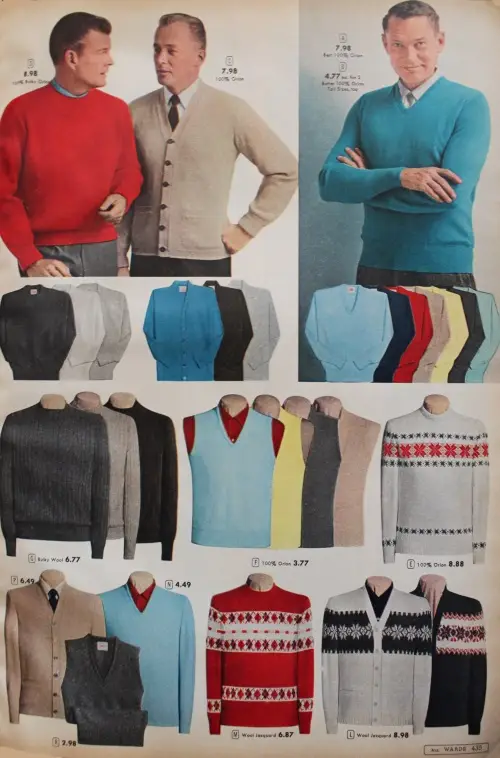





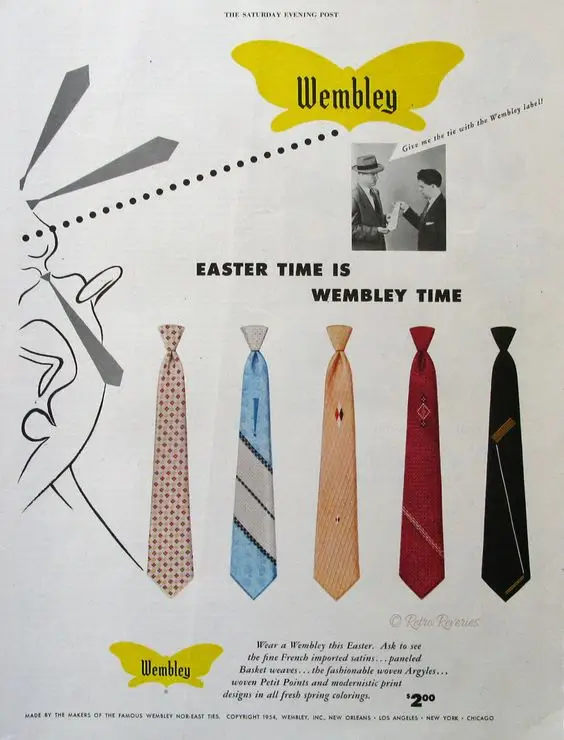

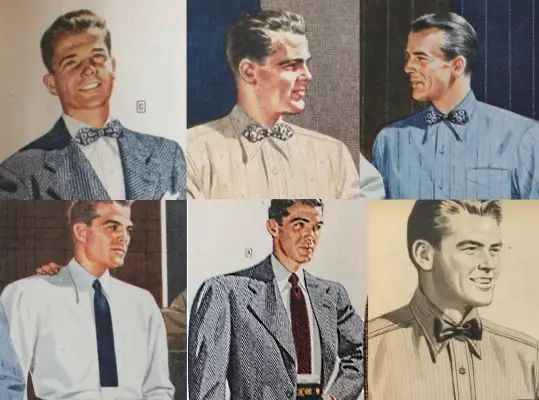
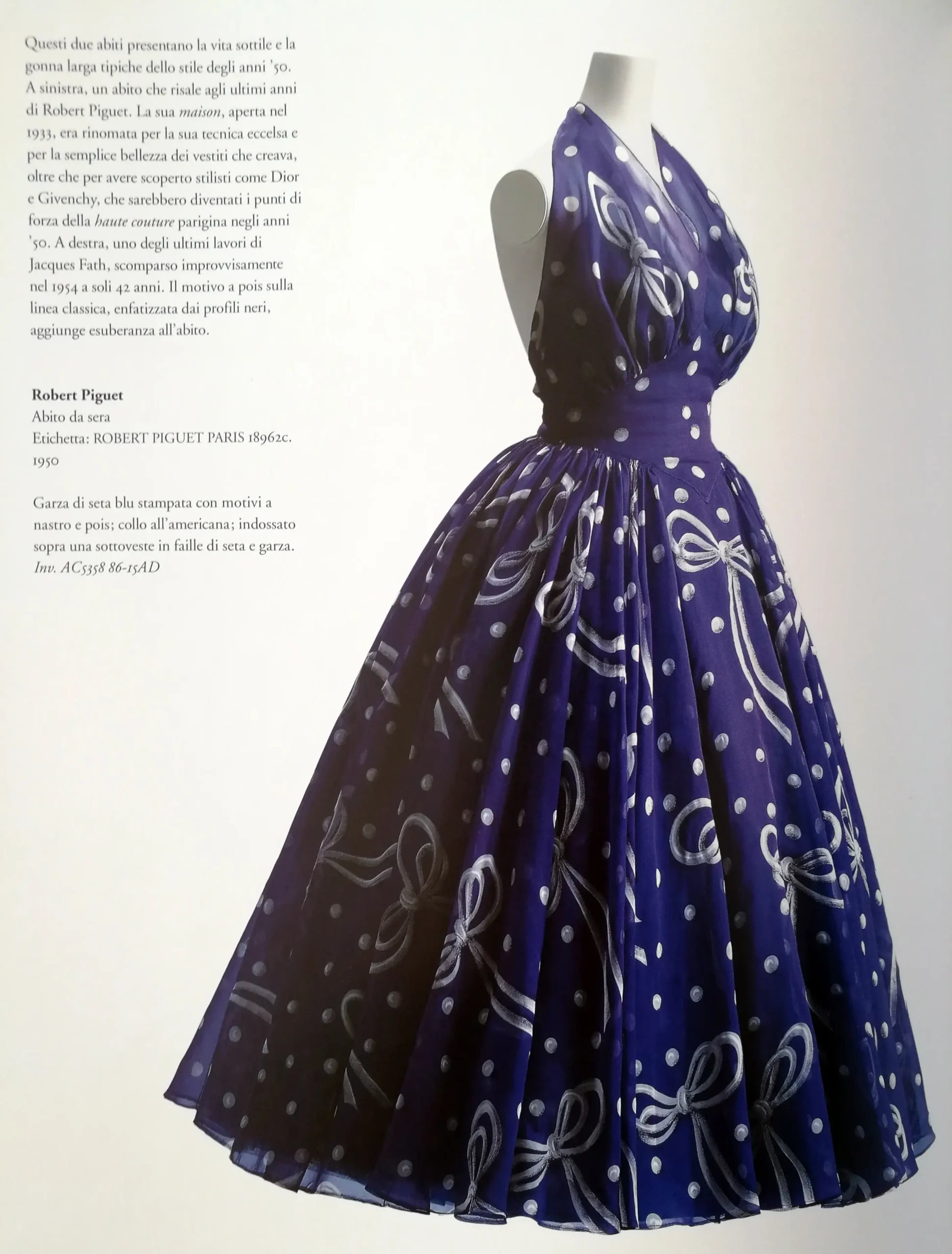
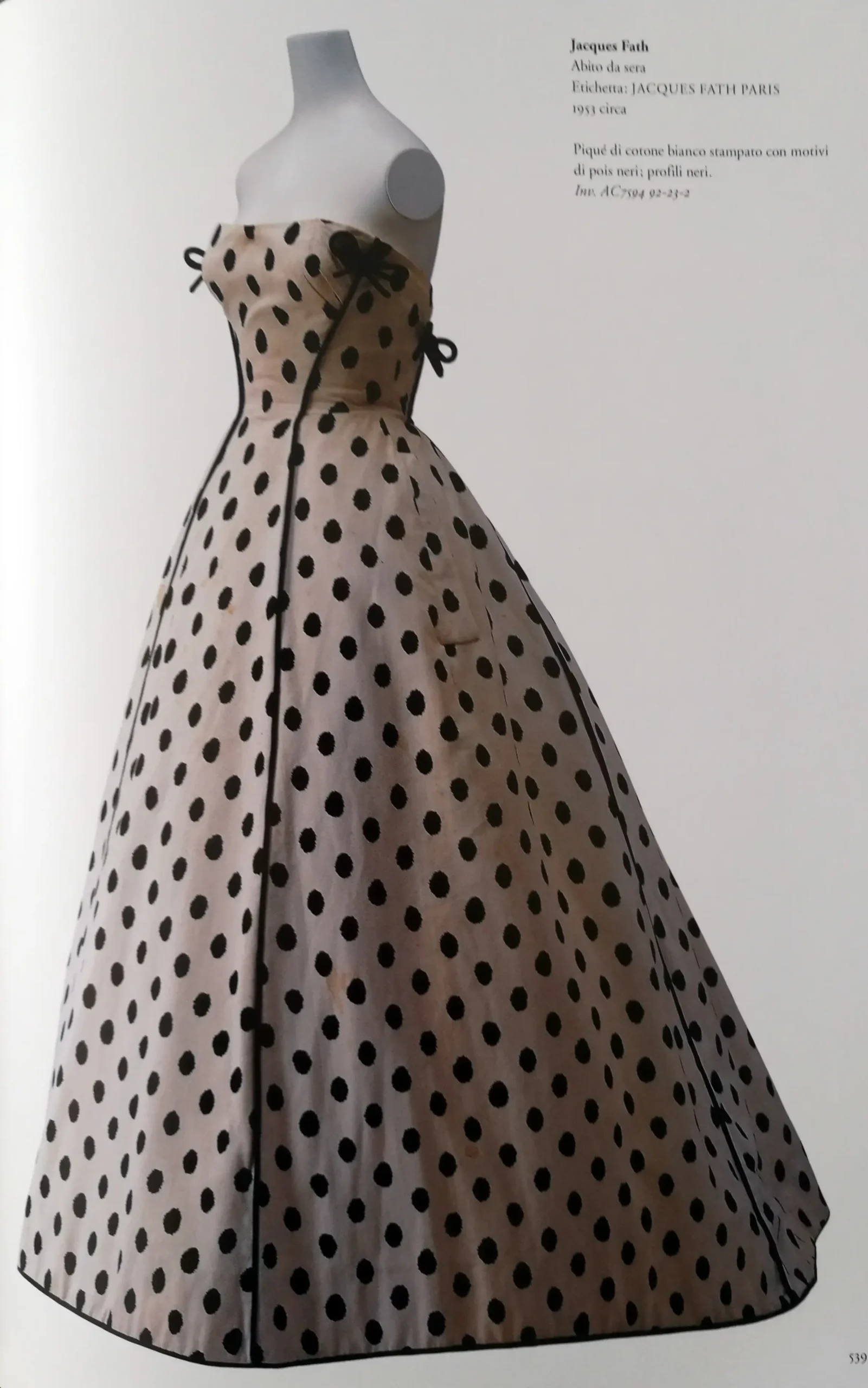
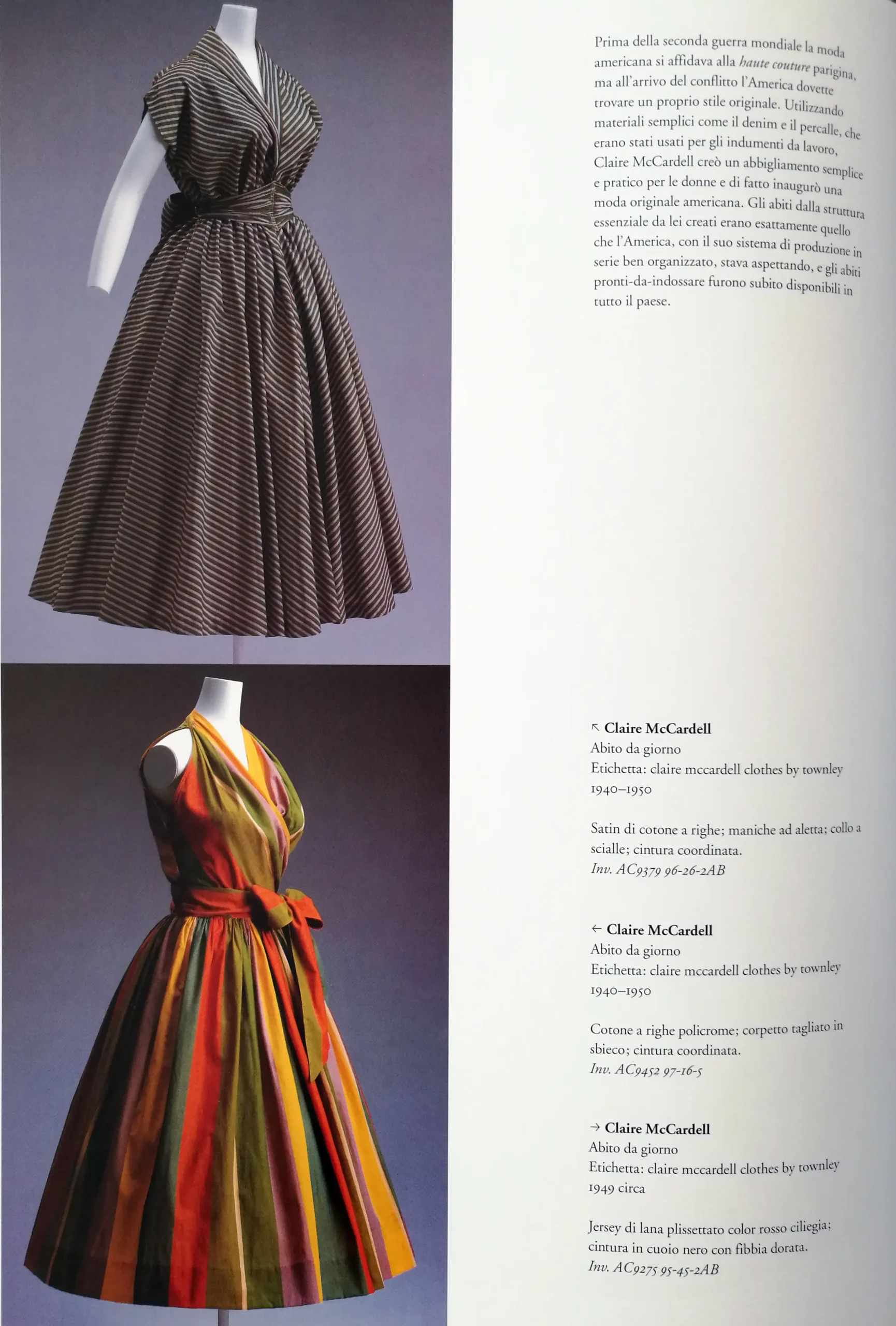
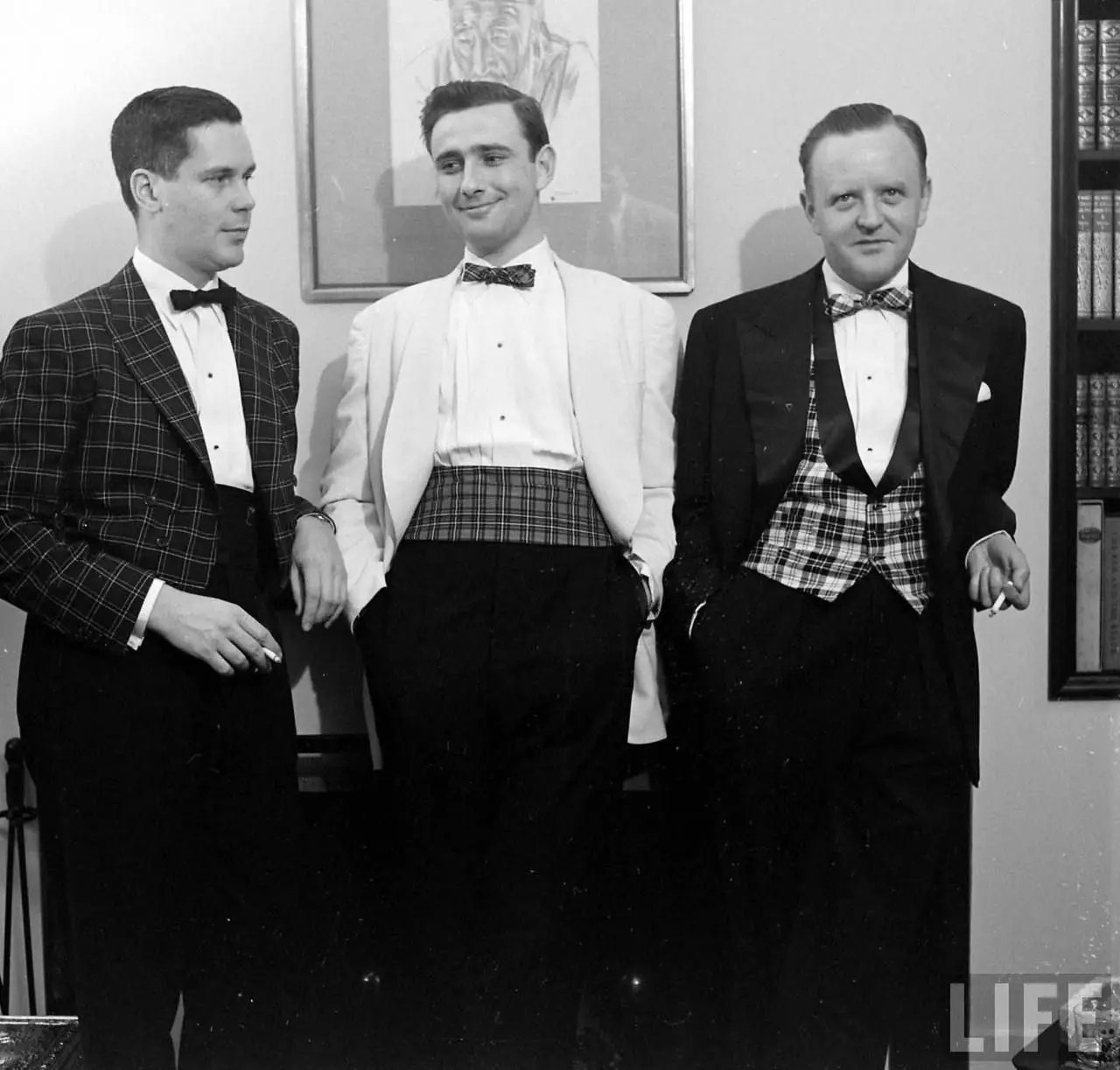

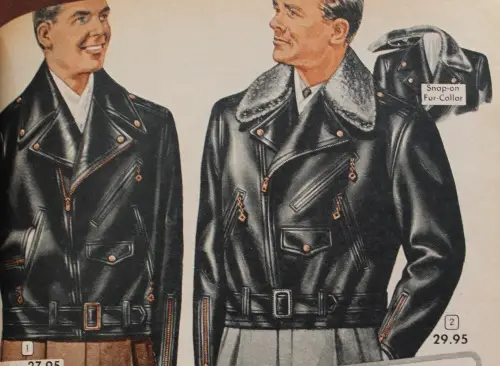
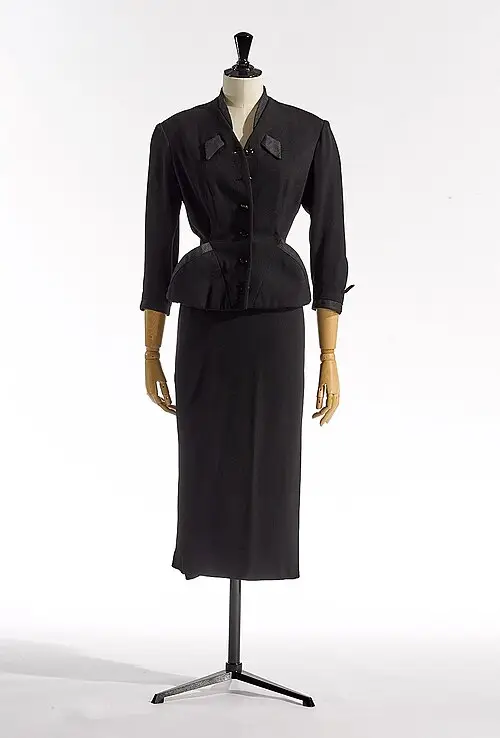
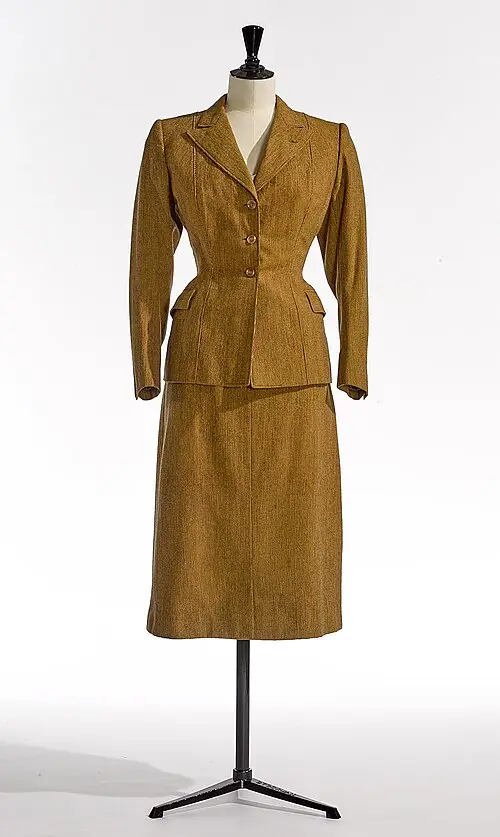

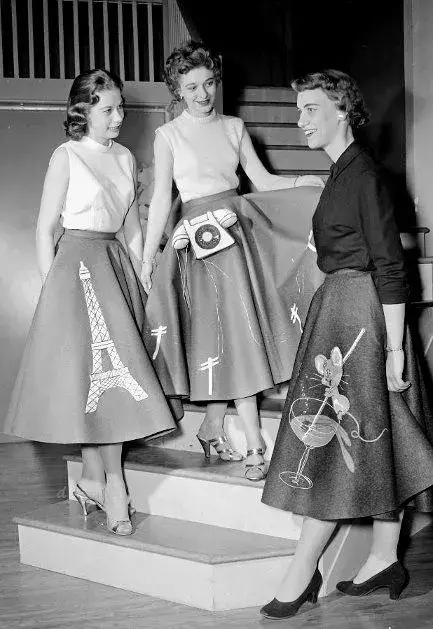
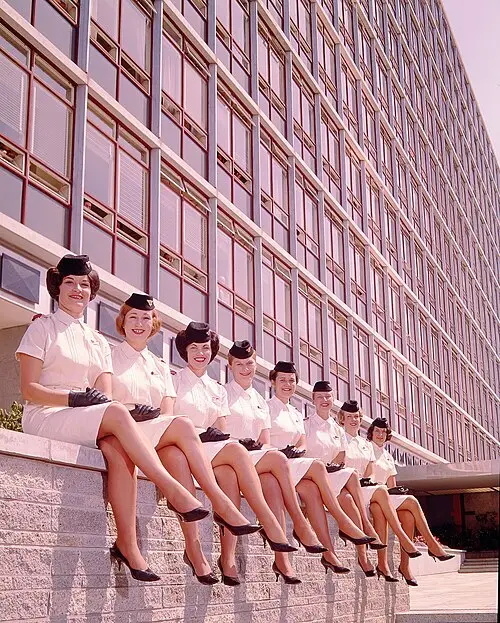




Citizen Pack (optional)
Get the perfect pack for life in Bunker 101. The pack contains:
- Unisex Premium Cotton T-shirt that you can also use in the game.
- 570 ml foldable water bottle (BPA free) with aluminum carabiner.
The packs are intended for participants only and will be delivered to the game location before the start of the event.
Citizen Cup (optional)
The perfect cup for coffee at Bunker 101 Diner.
Made by Duncan & Schneider, this enameled metal cup combines retro charm with practicality and a sturdy structure, designed to accompany every break with personality. With a capacity of 350 ml and compact dimensions of 11 x 8.5 cm, it is perfect for enjoying coffee, tea, or herbal teas, but can also be used as a curious decorative container. Lightweight (only 163 grams), durable, and easy to carry.
The cups are intended for participants only and will be delivered to the game location before the start of the event.

Bunker Pins Combo (optional)
A set of 3 limited-edition enameled metal pins, designed as a small but special memento of Bunker 101. Each set includes:
- Lifeline Duty – circular pin, 35 mm
- Proud Citizen – rectangular pin, 20 × 48 mm
- Schneider Scale – diamond-shaped pin, 35 mm diagonal
An item to wear during the game and to take with you even after leaving the Bunker. The Codex
How to choose your character
Casting
A few weeks before the larp, you will receive a form where you will be asked to indicate the seven characters that intrigue you the most. Once we collect everyone’s preferences, we will cross-check them carefully to assign you your highest possible choice. When casting is complete, we will notify you through our official channels.
There are 125 characters to choose from, each one unique and crafted with great care.
We know reading them all can feel like a lot, so here are some tips to help you navigate your choice.
Archetype
Start here. Let yourself be guided by instinct. If an archetype sparks your curiosity, make a note of it. It captures the essence of a character in a single line and is often the best entry point.
Triggers
Some characters come with complex or potentially heavy backstories. Check the trigger warnings to understand whether there are themes you would rather avoid.
Blocks and Families
Each Block shares common traits, a collective history, and the same Lifeline Duty. Blocks also reflect social status within the Bunker.
Families share behaviours, secrets, and the responsibility for their own survival. They must secure Union Licences and avoid dissolution due to too many RED Citizens.
You can start by choosing a character from a Block or Family that intrigues you, or based on the Lifeline Duty they perform.
Lifeline Duty
Each Block is traditionally assigned a Lifeline Duty. This defines part of your gameplay experience.
You do not need any real-life expertise. All Duties are designed so that anyone can perform them convincingly.
- UnaOne & BissoTwo → Mainframe Op
- TerraThree & CuadroFour → Core Op
- PentaFive & EsaSix → Vault Op
Crew
Your Crew is your smaller working group within your Lifeline Duty. These are the people you will work closely with, sharing successes and failures as you prepare for the Reboot. For some characters, the Crew can feel like a second family.
Civic Duty
Civic Duties are your character’s “secondary job.” They are more flexible, group-based activities and can vary widely in tone and style. They can also be a great way to guide your character choice.
Read the full sheet
Once you have narrowed down your options using Blocks, Families, triggers, Lifeline and Civic Duties, you can begin reading the full character sheets.
Genderless design
All characters are written to be gender-neutral and can be played in any gender. You are free to reinterpret relationships accordingly.
Transparency or spoilers?
Character sheets are transparent and public, except for the Family Secret section. You may choose whether to read those or discover them during play.
Why this approach? Because Bunker 101 is a collaborative story, built together rather than against one another. Secrets and conflicts exist, but they serve the shared narrative.
If you prefer a more mysterious experience, you can avoid reading linked character sheets and Family Secrets that are not yours.
Filling the blanks
The characters are designed to provide a strong structure while leaving space for personal interpretation.
Everything explicitly written in the sheet is fixed.
Everything not specified—your habits, small memories, personal tastes—is yours to create.
This freedom helps you make the character truly your own and feel more comfortable inhabiting them.
Character Sheet
In Bunker 101, there are no minor roles. Every character is specific, meaningful, and essential to the whole. There are no extras, only protagonists.
Each character sheet is divided into several sections, outlining the character’s background, personality, and role in the Bunker. Some parts will also be completed by you, starting from prompts we provide.
Structure of the Character Sheet
- Block
- Family
- Personal File
- Lifeline Duty
- Civic Duty
- To-do List
Character Name
In the Bunker, it is tradition to name Citizens after historical figures who contributed to the progress of humanity. Citizens may also refer to each other simply as “Citizen.”
The name often reflects something about the character’s personality or history. Additionally, the initial letter is tied to the Block:
- U → UnaOne
- B → BissoTwo
- T → TerraThree
- C → CuadroFour
- P → PentaFive
- E → EsaSix
Archetype
A short sentence that captures the core essence of the character.
Block
Indicates the Block and Family you belong to.
Duty
Here you will find your Lifeline Duty, including your Crew (in square brackets), and your Civic Duty, including your assigned shift.
Example:
Lifeline Duty: Mainframe Op [MF-2]
Civic Duty: Schneider Commission [Shift 2]
Schneider Scale
Indicates whether you start as RED or GREEN. This status may change during the event.
Licences
Lists the licences your character holds at the beginning of the event. Licences can be gained or lost during play.
Political and Religious Alignment
Your character’s starting political and religious stance. You are free to change this during the game if it feels right for your story.
Triggers
A brief list of potentially sensitive themes present in the character. This helps you quickly assess whether the character aligns with your boundaries.
Questions
A set of ethical, existential, or moral questions your character is currently facing. During the game, you are encouraged to explore and answer them.
Block and Family
This section describes your Block and Family, including: a unique family trait, typical behaviours, what keeps the family together, internal dynamics, and the ritual performed during family meetings.
Personal Log
Your character’s personal history, including their relationship with their Family and a particularly close bond with one specific family member.
Family Secret
This section concerns a secret shared by the Family.
The sheet does not reveal the full secret, only its trigger warnings. You may choose to read it in advance or discover it during play.
The Family Secret includes: a shared event and individual prompts for each family member.
This part is co-created with your Family during an online session before the larp (date TBA). If you cannot attend, it will be covered during the on-site workshop.
Lifeline Duty
This section is also co-created with your Crew before the larp. It focuses on a significant past event that occurred during a work shift.
If needed, this will also be recovered during the on-site workshop.
Civic Duty
Describes a part of your character’s daily life and includes an important relationship with someone you work with during your Civic Duty.
To-do List
A list of typical activities for your character. It is not exhaustive, but it helps you understand their routine and expectations.
These are activities to engage with during your free time, meaning outside your Civic Duty shift and during the evening. Think of it as a guide to help you stay grounded in your character’s everyday life.
Glossary
A
- Antimatter: The energy source powering the Bunker. It is processed in the Core, but its instability has caused space-time anomalies within “the Zone.”
- Area 0K: The innermost and safest part of the Bunker. Radiation levels are minimal. Survival time is indefinite.
- Area 1K (The Zone): A contaminated intermediate area. Protective suits are required. The laws of physics and time behave unpredictably here.
- Area 10K (The Outside): The Earth’s surface. Completely lethal. No one has set foot there since 1959.
B
- Block: One of the six main social divisions of the Bunker (UnaOne, BissoTwo, TerraThree, CuadroFour, PentaFive, EsaSix). Defines social status and costume colour.
- Bounce: The national sport of the Bunker. Played by striking a ball against the wall, known as the “First Player.” A symbol of Block pride.
C
- Capsules (Genesis): Technological incubators used for artificial reproduction. The only way to have children in the Bunker.
- Civic Duty: Work roles related to social and administrative life, such as the Diner, Radio, or Commissions.
- Codex: The supreme law and constitution of Bunker 101, written by the Founders.
- Censorship Commission: The body responsible for monitoring moral conduct and antisocial behaviour among Citizens.
- Licensing Commission: The bureaucratic authority that approves or denies Unions and Births.
- Schneider Commission: The authority that assigns each Citizen’s social value (GREEN or RED).
- Core Op: Operators from TerraThree and CuadroFour responsible for managing the antimatter core.
D
- Donkey (Party): A centrist and pragmatic political party. The current party of President Bernstein.
- Duncan, Thomas: The Founding Father. A scientist and visionary who designed Bunker 101.
- Duncanism: The official religious cult centred on the memory and teachings of Thomas Duncan.
- Duty: Mandatory work shifts assigned to every Citizen.
E
- Elephant (Party): A conservative political party, loyal to tradition and the original Codex.
- Exile: The ultimate punishment. Permanent expulsion from the Bunker into the lethal outside world.
F
- Family: The fundamental social unit within each Block. A Family with three RED members is dissolved.
- Children of the Light: Citizens born with chronic conditions caused by radiation exposure during the 2032 reactor incident.
G
- GREEN (Schneider Scale): The status of a model Citizen. Grants access to all licences and privileges.
L
- Leisure Duty: Mandatory evening activities designed to maintain morale, such as Cinema, Talk Shows, and the Ritual.
- License: An official authorisation required to perform civil actions, such as Union or reproduction.
- Lifeline Duty: Critical roles necessary for survival, including Mainframe, Core, and Vault Operations.
M
- Mainframe Op: Operators from UnaOne and BissoTwo responsible for managing Marilyn and interpreting data intelligence.
- Marilyn: The central supercomputer. Oversees all vital systems of the Bunker.
- Mastiff (Party): A reformist and labour-focused party, advocating for workers’ rights and lower Blocks.
N
- Nursery: The facility where Genesis Capsules and New Citizens (ages 0–6) are managed.
R
- RED (Schneider Scale): A high-risk Citizen status. Results in loss of licences and mandatory inclusion in the Reboot Team.
- Reboot: A system-wide reset procedure occurring every 25 years. Extremely dangerous.
- Founder’s Ritual: A Duncanist evening ceremony centred on reflection and symbolic “cutting and stitching.”
S
- Schneider Scale: The system used to evaluate a citizen’s social value, ranging from GREEN to RED.
- Sentinels: A dormant security force, activated only by the Synergy in extreme emergencies.
- Synergy: The legislative council of the Bunker, composed of the President and party Delegates.
T
- Steel Moles: An honorary title given to those who volunteered to stabilise the reactor during the 2032 crisis.
V
- Vault Op: Operators from PentaFive and EsaSix responsible for structural maintenance, often working in the Zone.
- Worms: A derogatory term for those who refused to intervene during the 2032 reactor incident.